Tag Archives: camera

Fujifilm GFX100RF Review

A longterm review of the little medium format marvel

A few days after the camera was launched, around the streets of Southwark in London, a young man approaches me when he spots me working and makes conversation:

  • Q – Oi, mate, is that a Leica?
  • A – Nope, a FUJIFILM. 
  • Q – Oh, is it an X100?
  • A – No mate, it’s a GFX100RF
  • Q – *Blank stare back!
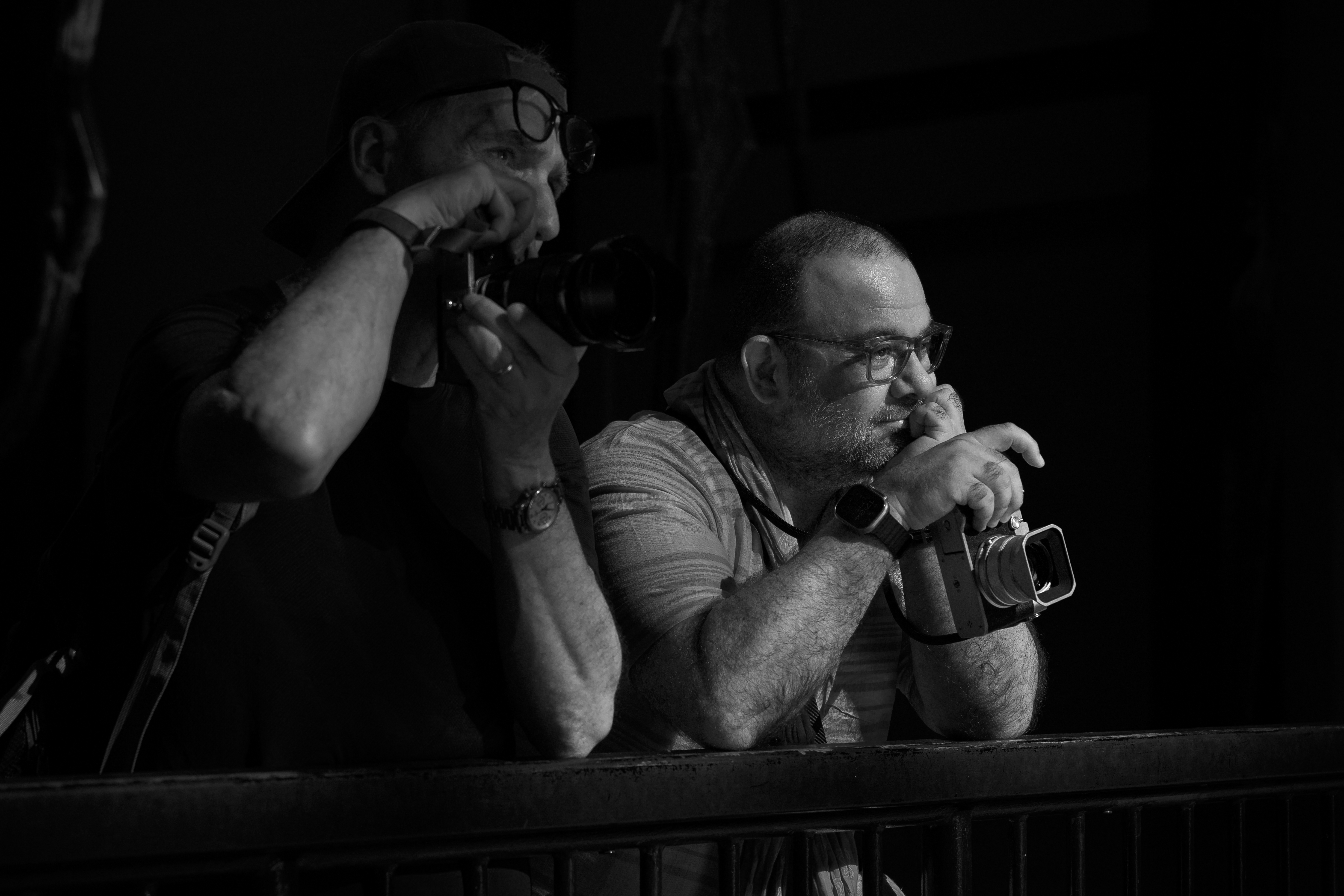
Photographer Edmond Terakopian (on the right) using a Fujifilm GFX100RF during the fourth annual Passionate Photographer London Summer Workshop. Tate Modern, London, UK. July 2025. Photo: Phil Daquila / IG @phildaquila

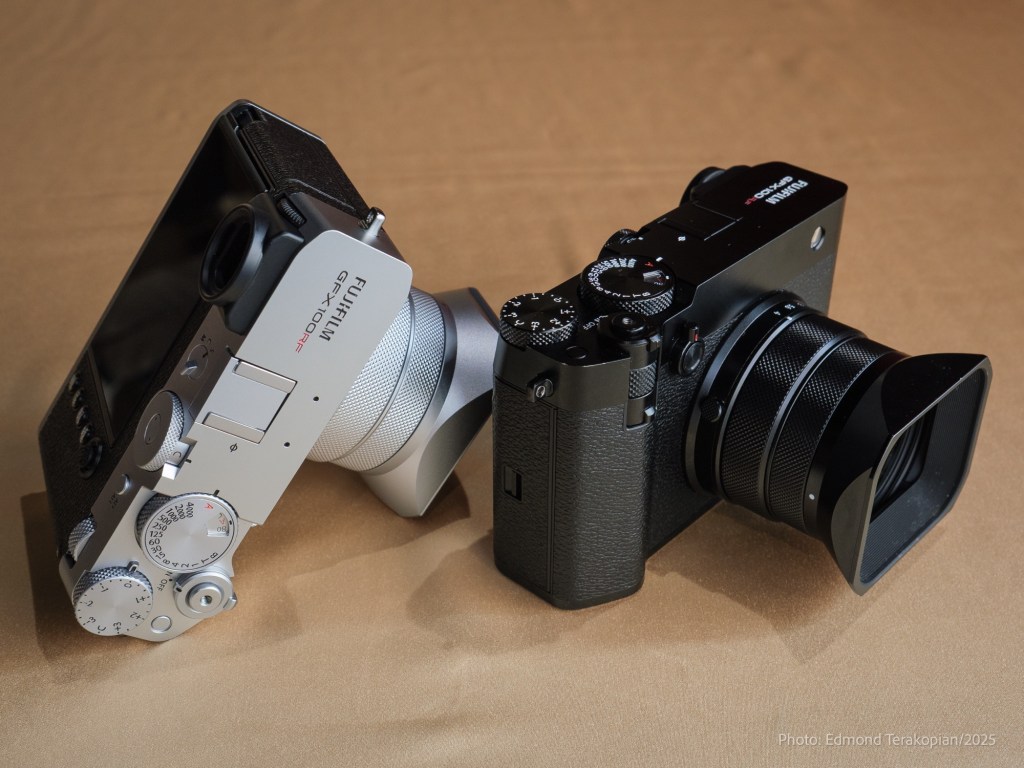
This little black box (available in chrome too) of wonders, is definitely misleading, as it doesn’t resemble a medium format camera. Easily mistaken for a full frame camera with a smaller sensor or an even smaller sensor APS-C camera.

The GFX100RF harks back to a time when it was commonplace to get a medium format film camera with a fixed, single focal length lens, from the likes of FUJIFILM themselves, Rolleiflex, Bronica and Plaubel. FUJIFILM in fact had the widest range of these cameras, in multiple formats, both in size of image as well as focal length. These were of course in turn the modern versions of many vintage folding medium format film cameras from the likes of Zeiss, Voigtlander, Kodak etc. 

Working with a fixed lens, which can be limiting in some genres of photography, is liberating in others, as one explores the scene looking visually with one mental focal length to compose with and reacts quicker to finding suitable scenes to photograph, in fluid genres within photography. The majority of great street photographers for example, work very simply; one camera and one lens. 

The dance of light. Southwark Cathedral, London, UK. 640 ISO, f11 at 1/1000th. Photo: Edmond Terakopian

My introduction to the camera was as simple as picking it up, holding it and saying, “It feels just right. It just fits”. It’s rare to pick up an entirely new camera and immediately feel at home with it. This speaks volumes about just how much thought has gone into the design, execution and manufacturing. “It feels just right”. These four words sound very simple, but to achieve designing anything that fits these words, takes tremendous vision, skill and understanding. Anyone with a Fujifilm X or GFX will very quickly feel at home; especially those with an X100 series or X-T5 (etc). For anyone new to the brand, things are so logical and well designed, that it really doesn’t take long to get acclimatised. It’s an ergonomic delight, with a tactile and mechanical connection, as one operates the various dials and rings.

Fashions on Westminster Bridge. London, UK. 400 ISO, f8.0 at 1/500th. Photo: Edmond Terakopian

I’m a big fan of rangefinder style cameras, which have their viewfinder on the corner. This keeps a big portion of the photographer’s face open, so communicating with subjects is easier, keeping them at ease, as one isn’t hiding their entire face behind a box, becoming anonymous. Having a camera that is a natural extension and not an obstacle in use, is an essential part of the formula for good photography, in any genre that involves people. Another essential is having good shoes, as Magnum Photo’s Josef Koudelka rightly says!

In A Nutshell

The FUJIFILM GFX100RF is a digital medium format camera, equipped with a fixed 35mm f4.0 lens, offering a full-frame equivalent field of view of 28mm. The digital teleconverter function crops to provide full-frame equivalents of 36mm, 50mm and 63mm fields of view (so medium format equivalents of 45mm, 63mm and 80mm), with a 102-megapixel sensor, which measures 43.8×32.9mm and can record 16-bit images with a base ISO of 80 (rising to 12800 ISO. Extended ISO ranges from 40 to 102400). The X-Processor 5 offers AI-assisted subject tracking for fast and accurate focusing. Continuous shooting is up to an impressive 6fps. It has beautifully crisp and comfortable 5.76 million electronic viewfinder and weighs in at 735g (1.62 lbs). Included with the camera are a very comfortable rope shoulder strap, a protection filter and square lens hood that, when attached, offer full weather-resistance to the entire camera. Although the camera is quite an accomplished video shooter at up to 4k, my review is only going to focus on it as a photographic camera.

Southbank Sunset. London, UK. 640 ISO, f11 at 1/500th. Photo: Edmond Terakopian

Fujifilm quotes a healthy 820 shots per charge of the battery. During my testing, I didn’t find this figure to be accurate. The battery life on the camera is absolutely astonishing. I had a few occasions when the red battery icon came on only after over 1100 exposures (on raw, shooting continuous high of 6fps, with the sleep timer set to five minutes). As the camera was new to me, I was also doing quite a lot of checking imagery on the rear screen as well as transferring the occasional uncompressed raw file via Wifi and the App, to my iPhone, to share on my Instagram (@terakopian). I can’t recall any camera in my career lasting that long on a single battery!

To quote FUJIFILM in part:

“If a camera is smaller, you have more freedom.
If a camera is lighter, you can travel further.
If you carry a camera every day, life is filled with endless possibilities.”

I’m in full agreement. ‘The best camera is the one that’s with you’ and this small powerhouse is very easy to carry. I will add to this well known mantra, that the best camera also needs to be such a joy in use, that it constantly inspires you to want to put it to your eye and make photographs. It really is mind blowing to think one can have a EDC (every day carry) 102mp medium format camera, that’s pocketable in a jacket! No other digital medium format camera has opened up the format to such a wider audience.

But Its Only f4.0!

An aperture of f4 is quite common in medium format lenses and people who have never shot with medium format need to stop comparing it to full frame cameras with faster apertures. The inevitable comparisons to the Leica Q range with its 28mm lens have been made by several people and which would I choose is a question several colleagues have put to me. My thoughts are that if one is definitely working constantly in low light environments, where a faster aperture than f4 is an absolute light driven necessity, then the GFX100RF wouldn’t suit. However, I would suggest for any photographers asking themselves this question to search their photographic libraries by EXIF. See how often you go above 6400 ISO and also how often you shoot with an aperture brighter than f4. I find that perception and reality often differ, so checking actual statistics is extremely helpful. The bokeh hunters won’t be too disappointed if they shoot close up subjects at f4, but good photography is about the subject and the composition. My advice often is to look at the world through an f8 lens and tell stories, placing subjects in context, rather than obsess over out of focus spots of light!

Trying to have a quiet drink. Brick Lane, London. ISO 2500, f4 at 1/80th. Photo: Edmond Terakopian

The other comparison made is of course with Fujifilm’s own X100 series of cameras, especially the X100VI. The design ethos is shared between the these cameras, which is a good thing, as the success of the X100 range illustrates what great design and user interface, alongside great ergonomics result in. The GFX100RF doesn’t have the hybrid viewfinder though, which to me isn’t a loss, as I’ve always used the EVF on the various X100 cameras I have used over the years. Both the X100 series and the Q3 are impressive cameras, especially the latest models. Whilst there are similarities and size wise, not a huge difference, there is a large enough difference in everything else that I really don’t think there’s much point in comparison. 

One last comment on aperture, when one isn’t primarily a medium format photographer, is that even the fastest aperture available to medium format, which at the time of writing has a handful of f1.7 lenses, seems too ‘slow’ when compared to 35mm cameras. Also keep in mind that medium format offers a shallower depth of field. Back to 35mm cameras, where we even go up to f0.95. Go smaller still and for Micro Four Thirds, Voigtlander even has an f0.8 lens. Going the opposite direction and looking at large format cameras, lenses get much slower and technique often involves stopping down these lenses further to achieve a usable depth of field. Thus these comparisons are of course silly, as each format has its own range of apertures and technique. So it’s important to be mindful when making comparisons based blindly on specifications and without knowledge. 

Fruit Stall. Borough Market, London, UK. 160 ISO, f9.0 at 1/250th. Photo: Edmond Terakopian

The Leaf Shutter

This is a huge thing! On the one hand, it’s extremely quiet. It also introduces less camera vibration. Perhaps the biggest thing is how it allows flash photography, all the way up to a shutter speed of 1/4000th. This, alongside the built in neutral density filter (if needed) allows for flash use in bright sunlight, with full flash sync available at 1/2000th and with some loss of the flash’s burst (depending on how fast the flash is) at 1/4000th. This is extremely handy for shooting outdoors and getting balanced lighting. Not to mention allowing flash with action photography. Imagine a jumping dancer or leaping skateboarder shot from below, perfectly lit with flash, with a blue sky and sunburst in the background. Neat!

Talking, or whispering of the leaf shutter, it really is astonishingly quiet. I had a subject I was photographing from around a meter away, ask if I had taken any pictures yet! It’s so quiet, that from memory (please let me know if there is a more quiet digital medium format camera that you can think of) I would say the GFX100RF is the most quiet digital medium format camera at the time of writing. I would almost say it might be even the most quiet film medium format camera too, bar a few very quiet vintage bellows, rangefinder and TLR cameras. In quiet moments, especially when making candid photographs from close up, which the 28mm field of view lends itself too, being so extremely quiet is so extremely welcome! 

Conversations. Tate Modern cafe, London, UK. 6400 ISO, f5.6 at 1/1000th.Photo: Edmond Terakopian

It’s a real shame that IBIS (In-Body Image Stabilisation) is not included, but the leaf shutter does help with less shake, bringing less movement than a focal plane shutter mechanism. Seeing the size of the camera, one can understand why the designers opted for size over including IBIS, but I do hope that as technology develops, future models will have a stabiliser.

ISO

The camera has an ISO range of 80-12,800, which is expandable to 40-102,400. Throughout my use of the camera, I stuck to the ISO 80-12,800 range. Whilst I love working in the studio with carefully crafted lighting, at heart I’m an available light photographer, so one of my criteria in choosing a camera is its low light performance. I was left extremely impressed by the GFX100RF’s raw files from 12,800 ISO images, made in regular scenes. Yes, there is noise, but the noise is more akin to gentle film grain and is extremely pleasing. It also still renders colour beautifully. In dark scenes, or images which were under exposed to keep highlight detail, at 12,800 ISO, the noise is more of an issue and I found needing to use LightRoom Classic’s Denoise feature (depending on the image, I never went above 24, which ensured keeping image detail and not making the image look plastic. Most of the time, Denoise was in the tens range). However, other 12,800 ISO images had no need of Denoise and minimal colour noise reduction.

Late night conversations on the Underground station’s escalator. London, UK. Detail crops from a 12,800 ISO file from the Fujifilm GFX100RF, which hasn’t had denoise applied and only minimal extra colour noise reduction. Acros profile, processed in LightRoom Classic. f4.0 at 1/250th. Photo: Edmond Terakopian

I would say that up to 5000/6400 ISO, the camera produces ‘clean’ results, that would possibly need a little colour noise reduction if there are lots of shadow of darker areas. Even at 8000 ISO, faces are clean and have that pleasing fine grain look. It is such a pleasant look. Having said that, even at 12,800 ISO, in good lighting (keep in mind good doesn’t mean bright) the camera produces that pleasant fine grained look, even with no noise reduction at all. It all depends on light and tonality of the scene. Extremely impressive. Which makes using the f4.0 in lower light situations very possible. 
A child plays in a puddle in the summer rain. Covent Garden, London. 400 ISO, f4.0 at 1/1000th. Photo: Edmond Terakopian

Needless to say, the lower ISO ranges just produce astonishing results, with mind blowing dynamic range. The detail and colour fidelity are smile inducing, time and time again. Worth repeating, this camera is extremely impressive!

An Entirely New Way Of Photography

Friends, colleagues and workshop clients will all know my approach to cropping. I’m of the old school which encourages getting it right in camera and shooting the frame as one envisages the end results. I’m not enough of a purist to never crop drastically, but this is a rare occurrence. Often, my only cropping is to correct horizons which may be a tad off.

This is one of the reasons I never took to the Leica Q cameras. 28mm isn’t my favoured focal length and cropping has never seemed like a work around. The wide angle drawing of the lens (any wide angle lens), elongation of anything close to the lens and the pushed back rendering of items within the scene, meant that regardless of megapixel, cropping to a 50mm field of view didn’t look natural and had the distortion aforementioned.
A portrait of Ali at the cafe. London. March 28, 2025. 500 ISO, f4.0 at 1/500th. Photo: Edmond Terakopian

However, as the GFX100RF has a 35mm lens, which on the medium format sensor gives a field of view of 28mm, so one has less distortion. So cropping to 36mm or 50mm field of view is much more natural looking and usable. Add to this the fact that the crop is coming from a 102mp sensor, then there are no issues with file size either. The digital crops from the sensor provides full-frame equivalents fields of view of 36mm at 62 MP, 50mm at 31 MP and 63mm at 20 MP. 

To really appreciate just how big this sensor is, have a look at the pixel dimensions of your current cameras. The GFX100RF has an astonishing 11648×8736 pixels! Even at a crop of 50mm equivalent, one still gets a healthy 4836 × 6448 pixels image.

Ragga Ruggie, photographed in Camden Market, London, UK. 2500 ISO, f5.6 at 1/1000th. Photo: Edmond Terakopian

At full view of 28mm, there’s also a change in image aesthetic. I’m generally not a 28mm photographer as I don’t like the rendering of objects in relation to each other, but on medium format, that full field of view of 28mm, has the distortion and rendering of a 35mm lens, which is rather pleasing.

I found myself changing how I worked with the camera. I decided the 63mm equivalent crop was too severe for my taste, specifically for close up, frame filling face portraits. The 35mm lens just distorted the facial rendering too much for my tastes. However, environmental portraits at 50mm equivalent, worked really well. I began working mainly at the 28mm and 35mm settings, but also at 50mm, flicking the lever on the front with my index finger, with the mental approach of shooting with three focal lengths. This approach worked really well and very quickly became second nature. It was like changing three prime lenses, but at a flick of a switch with the shutter finger. Leica M photographers can think of it as either of the Tri-Elmar lenses.

The camera incorporates the feature extremely well. My chosen way was for the crops to fill the frame, but one can also choose to still see the full frame, with a crop box shown around the actual crop.

This crop information is included in the raw file’s metadata, so when loaded into LightRoom Classic, the crop was added to each frame. One can of course go and change this crop as needed, so the flexibility exists, which is great! I had one scene where a wider crop showed a flying pigeon which I hadn’t noticed as it was out of my frame, so widening the crop added a beautiful compositional element which elevated the photograph.

Even the bridge’s leg supports are beautiful! Captivated By Colour by artist Camille Walala. Adams Plaza Bridge, Canary Wharf, London. 500 ISO, f5.6 at 1/500th. Photo: Edmond Terakopian

If one is shooting jpegs, then the cropped picture is what you get, without the option to crop out, as this is naturally baked in to the jpeg file (along with the film simulation profile chosen. The other crop option comes via the Aspect Ratio dial. Providing the more regular photographic aspect ratios of 5:4, 3:2, and 1:1, to formats from Fujifilm’s past speciality cameras, including 17:6, 3:4, and 65:24 There are nine options available in total. Fans of panoramic photography will find some of these extremely useful. Whilst one can of course crop after the fact, shooting in camera with a particular format, so one composes with intent, results in better photography for certain.

Captivated By Colour by artist Camille Walala. Adams Plaza Bridge, Canary Wharf, London. 800 ISO, f8.0 at 1/500th. Photo: Edmond Terakopian

Menu System

The GFX100RF has a well thought out and presented menu system, which thankfully doesn’t need an Enigma Machine and specialist code breakers to decipher. There was one aspect which initially threw me; why was face and eye detect on a separate menu to the subject and animal detect stuff. Seemed odd, until I realised its so that one can program one of the buttons (which by default is the small circular button by the shutter release) to rapidly enable or disable this function, making for a very fast reacting camera in situations, like street photography.

The GFX100RF is available in black (my preference) and silver. Photo: Edmond Terakopian

AF

It really is amazing how far we have come. Having used the exorbitantly priced Hasselblad H3D, my thoughts of using autofocus on digital medium format cameras was shaped as being leisurely and only really at home in a studio, with less than fast subjects, landscapes or still life photography. The more glacial the speed of movement, the more successful that camera would be. I also had an opportunity to work with a Leica S2 as well, which felt relatively quicker in use, but again, the slower the pace, the happier that camera was too.

As the light fades. Knightsbridge, London, UK. 320 ISO, f9.0 at 1/1000th. Photo: Edmond Terakopian

Admittedly, we have fast forwarded some 16 years or so since those two experiences, but the AF on all of the Fujifilm GFX cameras, even the GFX50s, which was the first one I worked with in 2017, are fast, surefooted and accurate. This performance has increased a lot on the latest generation, of which the GFX100RF is the newest addition. A pocketable camera wielding a monstrous 102mp sensor with Intelligent Hybrid AF (TTL contrast AF / TTL phase detection AF).

South Bank Skate Park. So much detail and dynamic range, plus very well tracked continuous focus, using the FUJIFILM GFX100RF. Shot at 1600 ISO, f5.6 at 1/2000th. Photo: Edmond Terakopian

The camera is absolutely at home in the street, reacting sure-footedly and helping get great results. I even took the camera to a skatepark, with the intention of doing the previously unthinkable motive of photographing skateboarders, randomly moving around, jumping, going in and out of the light, in a dimly lit skatepark. On continuous AF no less. To my pleasant surprise, The camera locked on and continued to focus. Of course the 28mm field of view wasn’t ideal for the work I was doing with the skateboarders, so I punched in the crop in camera to compose to my liking and photograph to my heart’s content. I was already happy with the results, but I’m sure some more time with the camera and really learning it’s behaviour, one could discover it to be even more capable.

Skateboarder In Flight. Southbank Skate Park, London, UK. This was shot using an in camera crop mode, which after fine tuning, resulted in a 58mp file. The raw file was processed in LightRoom Classic using the Acros profile and had 20 percent Denoise applied to the 12,800 ISO image. f4.0 at 1/2000th. Photo: Edmond Terakopian

On the more relaxed subjects, people on the street, or set up portraits, in AF-S with face and eye detection, the camera was exceptionally capable, nailing the focus time after time.
Pure joy. London, UK. This shot was cropped extensively. 2500 ISO, f7.1 at 1/1000th. Photo: Edmond Terakopian

Dynamic Range

To be honest, this isn’t something I had ever once looked up, until I used the GFX100II. I’m never really interested in technical minutia, concentrating more on how a camera works in real life situations and the image quality from actual assignments and photoshoots. For me the feel of the image is paramount. The only reason I did get curious though, was that I was in disbelief when looking at the results from the camera. There was just so much detail rendered across the board. So, what does the GFX100RF’s 102mp CMOS II large format sensor, with the X-Processor 5 image processor, equate to in actual use? Absolutely bucket fulls of detail, from the lightest of highlights to the murkiest of shadows.

The Yellow Dress. Turbine Hall, Tate Modern, London, UK. 12,800 ISO, f11 at 1/2000th. Photo: Edmond Terakopian

Expose your frame intelligently, don’t blow the highlights and you will get rewarded with absolutely astonishing image quality. It isn’t just that you get 102mp to play with (11648 x 8736 pixels), but you get a phenomenal range of detail, subtle gradation and stunning colour rendition. Fujifilm don’t have an official figure for stills photography, but having asked the question there is a general consensus amongst their technical people that for still photographs, shooting single frame (Lossless or Compressed) Raw can produce up to a 16bit file, getting around 14 stops of range! Switching to a continuous drive sees a small drop to 14bits, with slightly lower dynamic range. It’s worth noting that I never shot single 16bit raw files, always preferring the lower continuous drive mode, which gave me 14bit raw files. It’s these files which have impressed me so much!

Is Medium Format For Everybody?!

Yeah, but no but! On the one hand, the GFX100RF has made it much easier for photographers to get into digital medium format photography. It’s an easy to use, in digital medium format terms, good value and well priced camera. However, as with everything more esoteric, there are caveats. If one’s technique isn’t on point, this medium format camera will magnify the photographer’s flaws. So user focusing errors or camera movement, get multiplied as this format of photography is less forgiving. Just as large format absolutely suffers no fools, medium format has its requirements from the photographer. Rise up to the challenge, improve your game and you’ll be rewarded big time. It’s a camera that can improve one’s photography. Slow down a little be more thoughtful about decisions made. Good photographs are made, not taken. What this camera brings to one’s portfolio of work is huge!

Everything, all at once. A human mosaic of activity by the River Thames. Westminster, London, UK. 200 ISO, f5.6 at 1/500th. Photo: Edmond Terakopian

My biggest learning point was probably ascertaining what shutter speed I can get away with for street photography. Obviously the 35mm full frame rule of thumb of a 50mm needing at least 1/50th doesn’t apply, even for static scenes. The 102mp sensor really demands your best technique! Not having IBIS also means that there is no safety net for less than optimum technique. I started experimenting at 1/125th and found my hit rate suffering. Too much camera movement, pushed me to seeing 1/250th as my minimum, paired with a good and stable grip from me. For moving around though, I ended up shooting mainly at 1/500th when walking around, looking for pictures. Naturally subjects like skateboarders pushed me up to the 1/2000th and 1/4000th. I found my preferred technique being auto ISO and manually choosing my aperture and shutter speed, which is so straightforward with a proper shutter speed dial and aperture ring. One huge bonus of this system is that one glance at the camera, shows the settings without needing to put it to the eye or tip the camera forward to check the LCD. I would often spot the potential for a photograph and as I walked towards it, would be changing the dial and ring as needed. Very efficient. I would then work the exposure compensation dial as needed, with the camera to my eye. The excellent EVF helping judge exposure very accurately indeed. In thousands of photographs, the accuracy of the exposure meter or EVF didn’t let me down once.

Film Simulation Mode (Raw profiles)

Whilst there are 20 different profiles provided, I’ve got my favourites, which are PROVIA, Velvia, ASTIA, ACROS and ACROS + Ye Filter. The night before published this article, I also discovered I rather like Nostalgic Neg, so shall no doubt be exploring that. Naturally, if you shoot raw, you can change these profiles during processing.
Into the light. V&A, London, UK. 2500 ISO, f5.6 at 1/500th. Raw processed in LightRoom Classic, with the Fujifilm Acros profile. Photo: Edmond Terakopian

As mentioned earlier, jpeg users will have the profile baked in. My workflow is to edit and process in Adobe’s LightRoom Classic, then usually finishing off an image with final touches or BW conversion in Exposure X6. I’ve found the Fujifilm profiles so complete and pleasing, that I haven’t once found the need for an extra finishing flourish in a plugin.

Who Is It For?

Naturally the first part of the answer is whomever shoots a lot with 28mm field of view. It does crop beautifully into 35mm and 50mm too (naturally losing megapixels as one does so, but still leaves chunky enough files for printing). So I will modify the first part of the answer to those that shoot a lot with 28mm and 35mm. The camera is so small and lightweight for a medium format, perfectly designed ergonomically, very responsive in use with an image quality that is mind blowing (thanks to its lens and sensor) that it work perfectly in the most demanding professional and high end enthusiast environments. I wouldn’t hesitate using the GFX100RF on photojournalism, wedding, street and landscape shoots. Its an extremely versatile tool.
Culture, counterculture and fashions. Covent Garden, London, UK. A scene that demonstrates the astonishing dynamic range and shadow detail from this camera. 100 ISO, f8.0 at 1/500th. Photo: Edmond Terakopian

Final Thoughts

The camera is a specialised tool which has fixed attributes. It has a fixed 35mm (28mm field of view) lens and a maximum aperture of f4. These can’t be changed, and so, it appeals to a certain slice of the proverbial pie chart. If the GFX100RF’s qualities fall within your segment of needs, I doubt this camera can disappoint. Its a magnificent camera to shoot with, with near perfect handling and a phenomenal lens.

Personally, for my way of seeing, I would prefer a 40mm, 45mm or 50mm field of view. I’ve been so impressed though, that I find myself constantly questioning this and wondering how I could adapt to the 28 and 36mm fields of view, occasionally cropping up to 50mm. It’s a bizarre reality to be so impressed by this camera, that I find myself wanting to change how I look at things for the camera’s sake! This reminds me of stories my dear friend and colleague Ian Berry from Magnum Photos would share, of passionate discussions with Henri Cartier-Bresson who loved the 50mm focal length, to Ian’s beloved 28mm focal length.

At this price point, it provides access for the photographer to 102mp medium format camera, with a lens included. At the time of writing, the closest alternative option is the FUJIFILM GFX100SII at £300 more, without a lens. It’s important to note that both cameras share the same glorious sensor. Getting a lens that is close in focal length would require adding the FUJINON GF30mmF3.5 R WR at £1649.00, the FUJINON GF32-64mmF4 R LM WR at £1649.00 (on special offer at the time of writing) or the cheapest option of the FUJINON GF35-70mmF4.5-5.6 WR at £849.00. Whilst the GFX100SII is a much more versatile option, bringing with it the ability to change lenses, it is also a bigger and heavier outfit, and also more expensive when compared to the GFX100RF. It really is down to your needs, more specifically around the subjects of lens and portability. The best camera is always the one that is with you!
The Traveller. Paddington Station, London, UK. 200 ISO, f5.6 at 1/1000th. Photo: Edmond Terakopian

I do wish it had IBIS though. Holding the camera, I know why the designers must have chosen against incorporating IBIS, as it would have added to the size. I also sometimes wish it had an f2.8 lens. Again, holding the camera, I know why f4.0 was chosen. So I’ve had to ask myself, would this GFX100RF be as appealing to me if it were much deeper, heavier, nose heavy and costlier? Having used the camera extensively, these compromises have resulted an absolutely fantastic camera. A camera that you just pick up and always have with you, as opposed to a niche tool to only take when needed. In fact, the GFX100RF was always around my neck when out and about, not seeing the inside of a bag until the end of the day.

I’ve had seven days of actual use of this camera, not counting delivery and collection days. This was several months ago. As my deadline for the review is my own, I decided to give myself the luxury of such an extended time to think and evaluate the photographs made, as well as mainly focus my thoughts and considerations on this entirely new type of camera.

Late night conversations. Brick Lane, London, UK. The raw file was processed in LightRoom Classic using the Acros profile. The 12,800 iso file has a 20% denoise added and 25% grain for mood. f4.0 at 1/250th. Photo: Edmond Terakopian

I got my first camera, a 110 cartridge Fujifilm camera, in the late 1970s. My first SLR in 1986. Then turned pro in 1989. You can try to imagine how many cameras I’ve used in that time, having gone from manual focus film, to AF film, to digital cameras! I was having a discussion with an industry friend and commented that the GFX100RF was one of my absolute favourite cameras. I then analysed what I had just said so naturally, as it was quite a statement to make, considering all the amazing cameras I have used throughout my career. I realised though, that my comment stood. It is one of my favourite cameras. Even though as mentioned, the 28mm field of view isn’t my natural choice for a prime lens, I think it’s highly likely I’ll be getting a GFX100RF for myself.

Alongside working as a photographer for 36 years, I’ve been reviewing camera and photography associated computer gear for various magazines and my blog for probably around 20 years. Occasionally I miss some equipment after it’s returned once the review period is over. In all this time, I don’t recall a camera which I have missed as much as the GFX100RF! It really is astonishing that an entirely new camera, fits so effortlessly into one’s work and produces stunning imagery from day one of use. It feels just right. It just fits.

Flickr and Instagram Galleries

The best way to really evaluate the quality of the images is to look at them on my Flickr:

https://www.flickr.com/photos/terakopian/albums/72177720324727500/

I have also been sharing many images on my Instagram, which include detail crop views as well as a final slide in the carousel with the EXIF details:

https://www.instagram.com/terakopian/

Another Week, More Appreciation – An Update

As you may have seen, it was our fourth annual Passionate Photographer London Summer Street Photography workshop, with my friend and colleague Steve Simon. It’s a solid week of street photography, starting in the morning and usually not ending until the late hours. For me, this culminated in 87,584 steps for the week and 6699 photographs made on the Fujifilm GFX100RF. 

A British summer of extremes?! Enjoying the heavy rain, a child runs through a puddle in the rain as an adult finds the journey less fun. Covent Garden, London. 1600 ISO, F4.0 at 1/1000th. Photo: Edmond Terakopian

As our workshop date approached, I kept thinking of the GFX100RF which I had on loan for this review. I wanted to use the camera but kept wondering how I would “cope” with just having a 28mm field of view camera (even though it does crop well as mentioned above) and considering there is some late night shooting, could f4.0 be an intelligent choice? I decided to go for it and reached out to Fujifilm UK to see if I could loan the camera again.

I was a little insecure, so for the first couple of days did bring another camera with a faster zoom lens, just in case. All that did was add weight to my bag. I did use it once for a telephoto shot which didn’t work out well anyway, so I decided the GFX100RF was the only camera I needed. It was so refreshing and wonderful to spend an entire week of solid work, with this single camera and lens. There was more pressure to shoot, as tutors we always share our work with the students during the week, than compared to my more leisurely camera review week. This was a real world scenario and all the camera did, was continue to impress.

Photographer Edmond Terakopian reviewing the Fujifilm GFX100RF. Photo: AE

I would switch on the camera after our morning classroom session and switch it off when on the tube going home, late at night. Zero issues, zero let downs. On most days, one battery was all that was needed, although on 2-3 days, I did swap in my second battery near the end of the day. 

A bit of fun was occasionally zooming in to 100% when sharing the previous day’s work with our class. There were often audible gasps and wows! There is just so much detail. This still hasn’t got old as I’m constantly impressed when I zoom in during processing!

As I try and come to a final conclusion, after some extensive and continuous use of the GFX100RF, I will reflect on two things I already mentioned. To say that this is one of the best cameras I have ever used, is really saying something, considering that’s based on 36 years of professional photography as well as 20 or so years of reviewing camera gear. 

Perhaps the biggest realisation though, is that it’s a camera that I always want to pick up and always have with me.

“It feels just right. It just fits”

FUJIFILM GFX100RF

Had the pleasure of attending the UK launch of the FUJIFILM GFX100RF this morning. A great opportunity to have a hands on experience of the camera, and shoot some still life and portraits (with available light as well as studio flash).

UK launch of the FUJIFILM GFX100RF. FUJIFILM House of Photography, Covent Garden, London, UK. Photo: Edmond Terakopian


The cameras at the launch were pre-production, so I don’t yet have any photographs to share, but I did have a close look at the results on the tethered 27” iMac. I’ve been left extremely impressed. Pin sharp, beautiful rendering and a smooth bokeh. I can’t wait to shoot with the GFX100RF properly and unlock its awesome potential.

Photographer Edmond Terakopian tries out the new FUJIFILM GFX100RF at the UK launch. FUJIFILM House of Photography, Covent Garden, London, UK.


The 35mm f4 lens is an entirely new design and provides a field of view of 28mm. As the distortion is of a 35mm design and the 102mp 16bit sensor is so huge, the crop modes (full-frame equivalents of 36mm, 50mm and 63mm) are actually usable. The shooting interface (you choose to fill the EVF with the crop during shooting, or have a wider view with a compositional box) works really well. Face and eye detect AF were super fast and accurate, the camera body is an ergonomic masterpiece and astonishingly, the camera is only marginally bigger than the FUJIFILM X100!

As I write this, I’m left with one question; black or silver?! Black I think for me!


A very, very, very impressive camera!

UK launch of the FUJIFILM GFX100RF. FUJIFILM House of Photography, Covent Garden, London, UK. Photo: Edmond Terakopian
The FUJIFILM GFX100RF shown in its slimmest form, without the adapter ring or lens hood. UK launch of the FUJIFILM GFX100RF. FUJIFILM House of Photography, Covent Garden, London, UK. Photo: Edmond Terakopian

Friday Photowalk Podcast-Part One

Photography Daily with Neale James

An absolute joy to have another interesting chat with Neale on the new season of the Friday Photowalk.

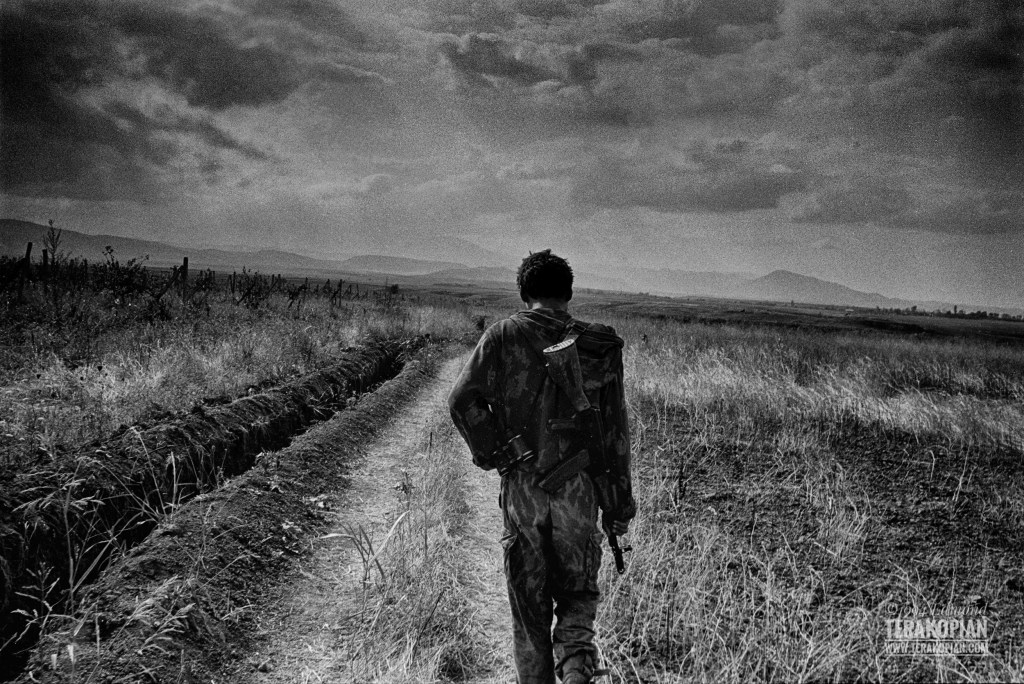
Back To The Front. A soldier makes his way to the front line in Martakert, Artsakh (Karabakh). 1994. Photo: ©Edmond Terakopian

You can find the episode, accompanying links and pictures here: #255 PHOTOWALK: FIND YOUR PHOTO MOJO & EDMOND TERAKOPIAN PT.1

Part 2 will be published the following week and I will make sure to post about it. The entire episode is interesting with a fresh, new approach to podcasting and I hope you can listen throughout. If you’d like to jump straight to my segment, skip forward to 0:45 minutes. I’m discussing our new group exhibition called Unlocked as well as various aspects of being a photojournalist, what photography is for me, social media and also the pandemic. I would urge you to listen to the entire episode though as it’s enjoyable and informative.

A Vigil By Smartphone Lights. Fundraising and Candlelight Vigil. Following miltary action by Azerbaijan with the backing of Turkey from the 27th of September, against the Republic of Artsakh (Nagorno Karabakh) and Armenia, a war has ensued in the region. Armenian communities in the diaspora gather to raise funds with the defence effort and humanatarian crisis in Artsakh and Armenia. Members of the Armenian community in the UK gather for a candle lit vigil (using smartphone lights as a result of health and safety rules) and fund raising event for the Armenia Fund (Himnadram) with the support of the Armenian Apostolic Church in London. St. Yeghiche Armenian Church, South Kensington, London, UK. October 10, 2020. Photo: ©Edmond Terakopian

Travel Photographer Of The Year

Inspirational Journeys 11

A joy to receive the Travel Photographer Of The Year (Inspirational Journeys 11) book today. I was fortunate enough to have my image selected by the judges for a ‘Special Mention’ and was included in the very popular outdoor exhibition, by the banks of the River Thames outside City Hall.

The Travel Photographer Of The Year, Inspirational Journeys 11 book, alongside my Lumix G9 and Leica DG 50-200mm, with which I made the award winning photograph. Photo: ©Edmond Terakopian

My image was shot in the Tate Modern, using my Lumix G9 and the amazing Leica DG 50-200mm f2.8-4.0. The image was processed in Adobe Lightroom and the monochrome treatment finished in Exposure X5.

The Travel Photographer Of The Year, Inspirational Journeys 11 book, alongside my Lumix G9 and Leica DG 50-200mm, with which I made the award winning photograph. Photo: ©Edmond Terakopian
The Travel Photographer Of The Year, Inspirational Journeys 11 book. Photo: ©Edmond Terakopian

Olympus OM-D E-M5 Mark II Launch

OM-D Action Factory, Prague

After the announcement of the OM-D E-M5 Mark II, Olympus Europe invited various photographers and photography journalists to Prague, to a former water purification plant, to get a hands on opportunity with the new camera.

Olympus OM-D Action Factory with the new E-M5 Mark II, Prague, Czech Republic. Setsuya Kataoka (General Manager, Product & Marketing Planning Dept, Olympus Imaging Corp), addresses the photographers and journalists gathered. February 09, 2015. Photo: Edmond Terakopian

Olympus OM-D Action Factory with the new E-M5 Mark II, Prague, Czech Republic. Setsuya Kataoka (General Manager, Product & Marketing Planning Dept, Olympus Imaging Corp), addresses the photographers and journalists gathered. February 09, 2015. Photo: Edmond Terakopian

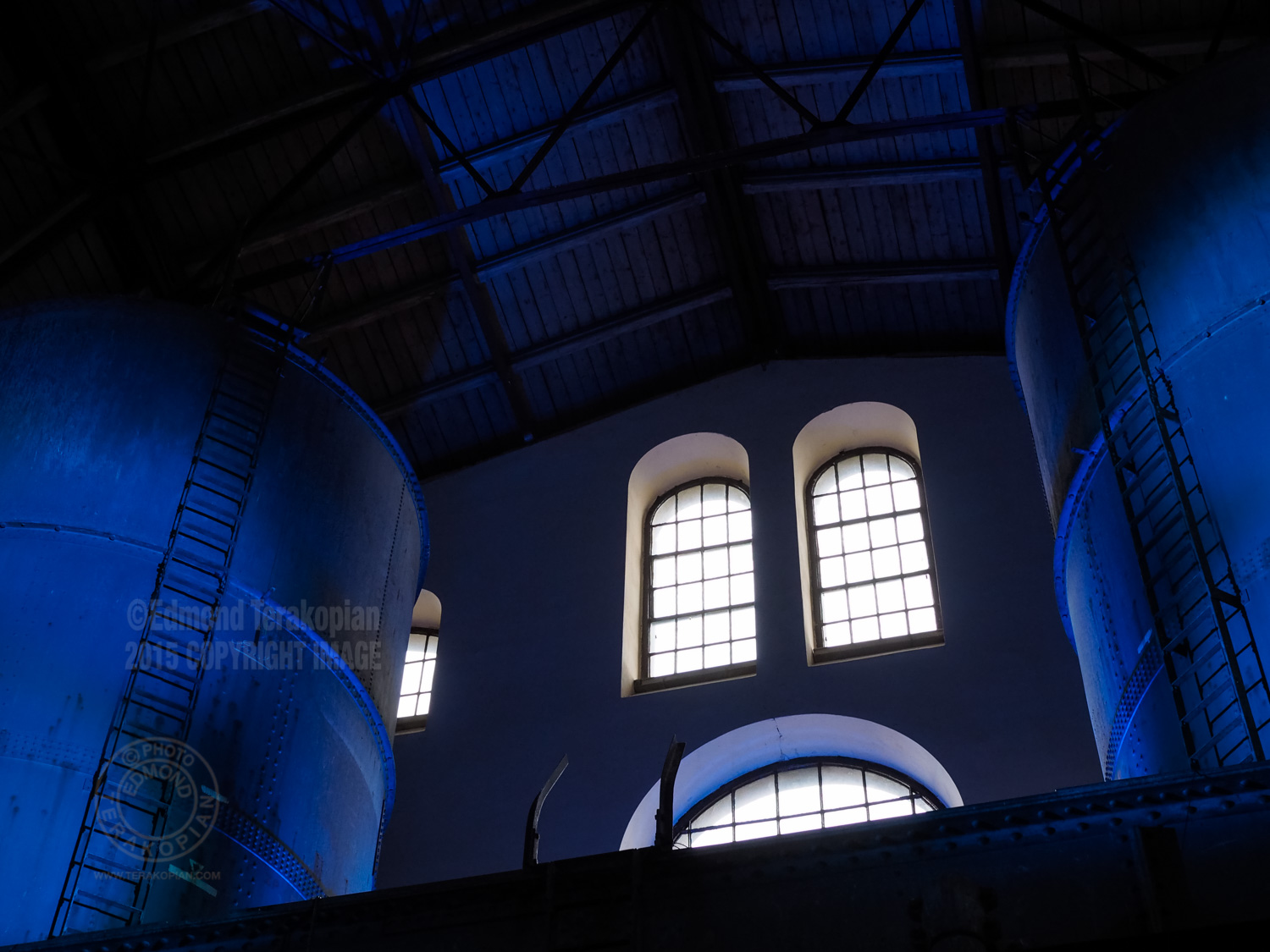
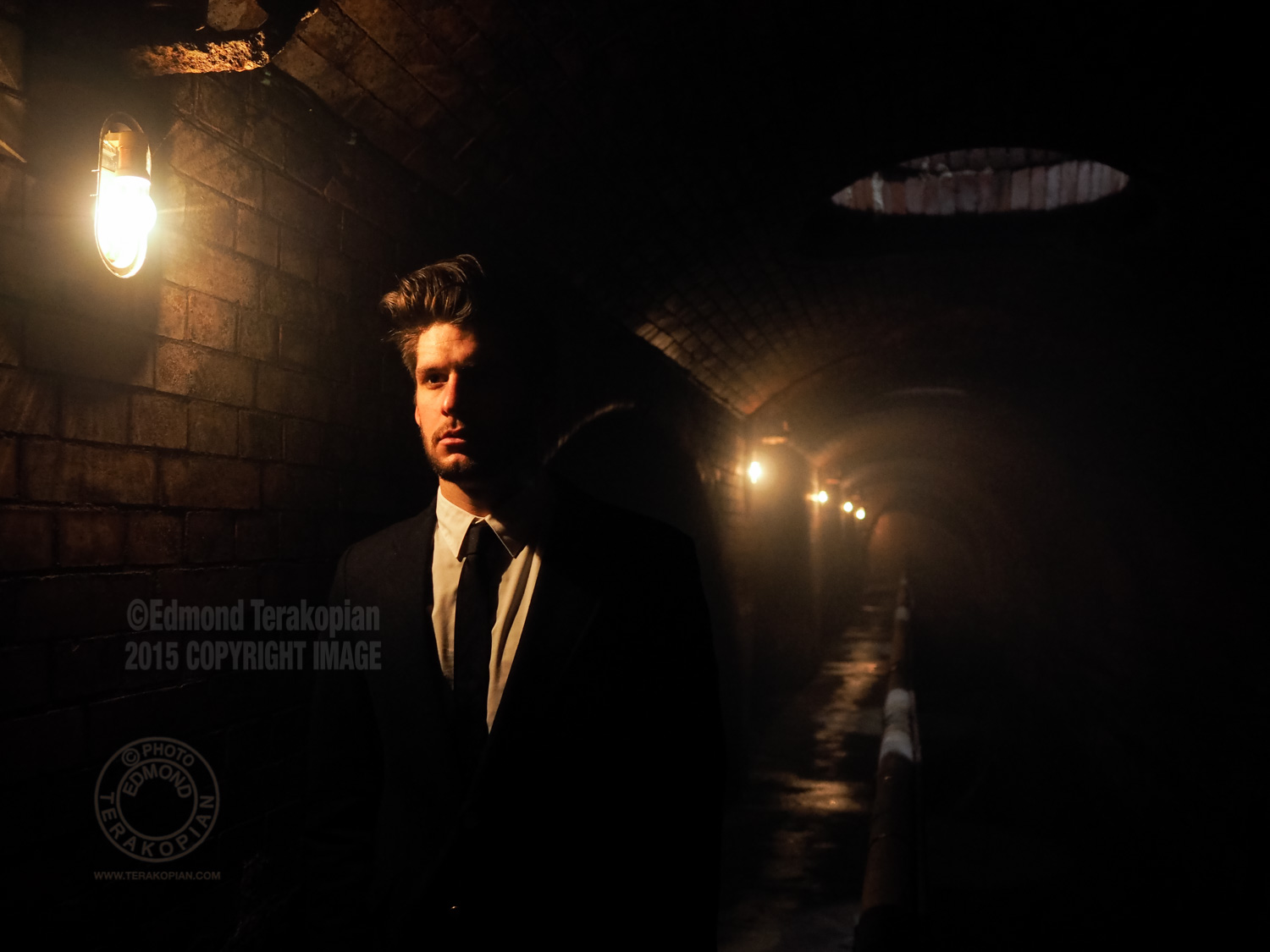
Olympus OM-D Action Factory with the new E-M5 Mark II, Prague, Czech Republic. A former water purification plant. February 09, 2015. Photo: Edmond Terakopian

Olympus OM-D Action Factory with the new E-M5 Mark II, Prague, Czech Republic. A former water purification plant. February 09, 2015. Photo: Edmond Terakopian

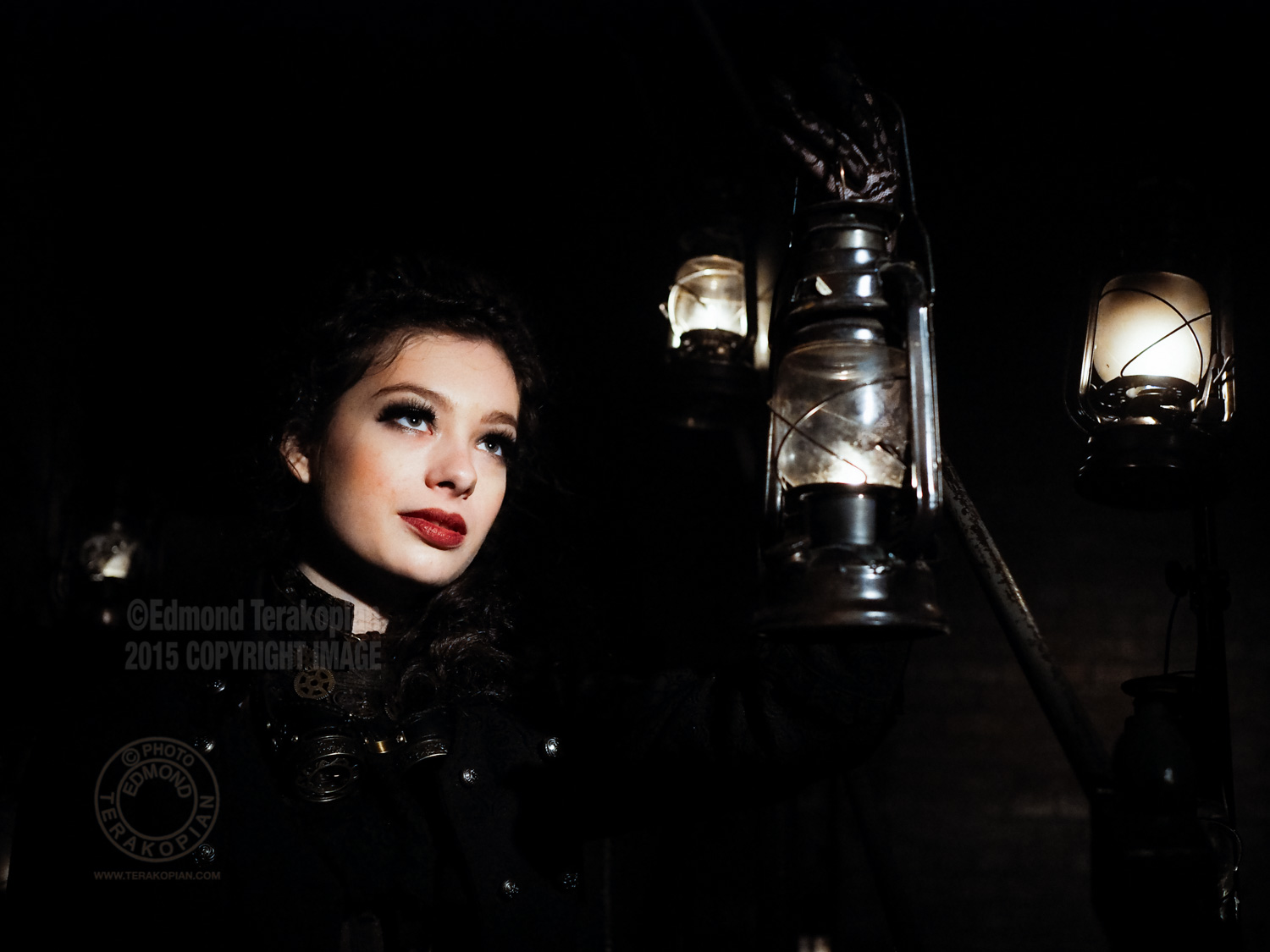
Various scenarios were set up were one could try some of the aspects of the camera; a video station “Movie on the run”, a low light situation “Beauty In The Dark”, light painting “Mysterious Lights” and a workbench scene to try the 40mp high resolution mode “Devil in the detail”.

Beauty In The Dark

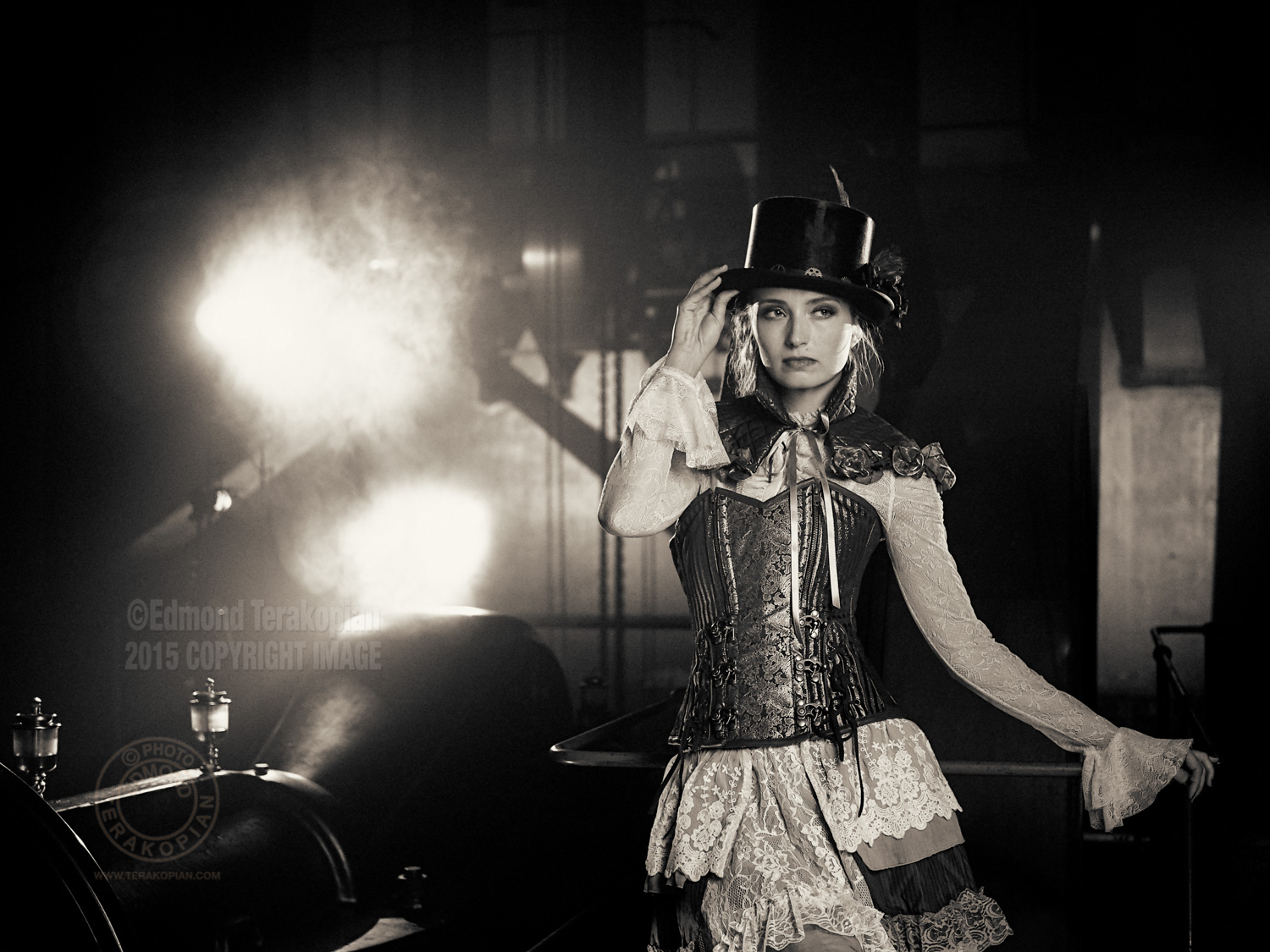
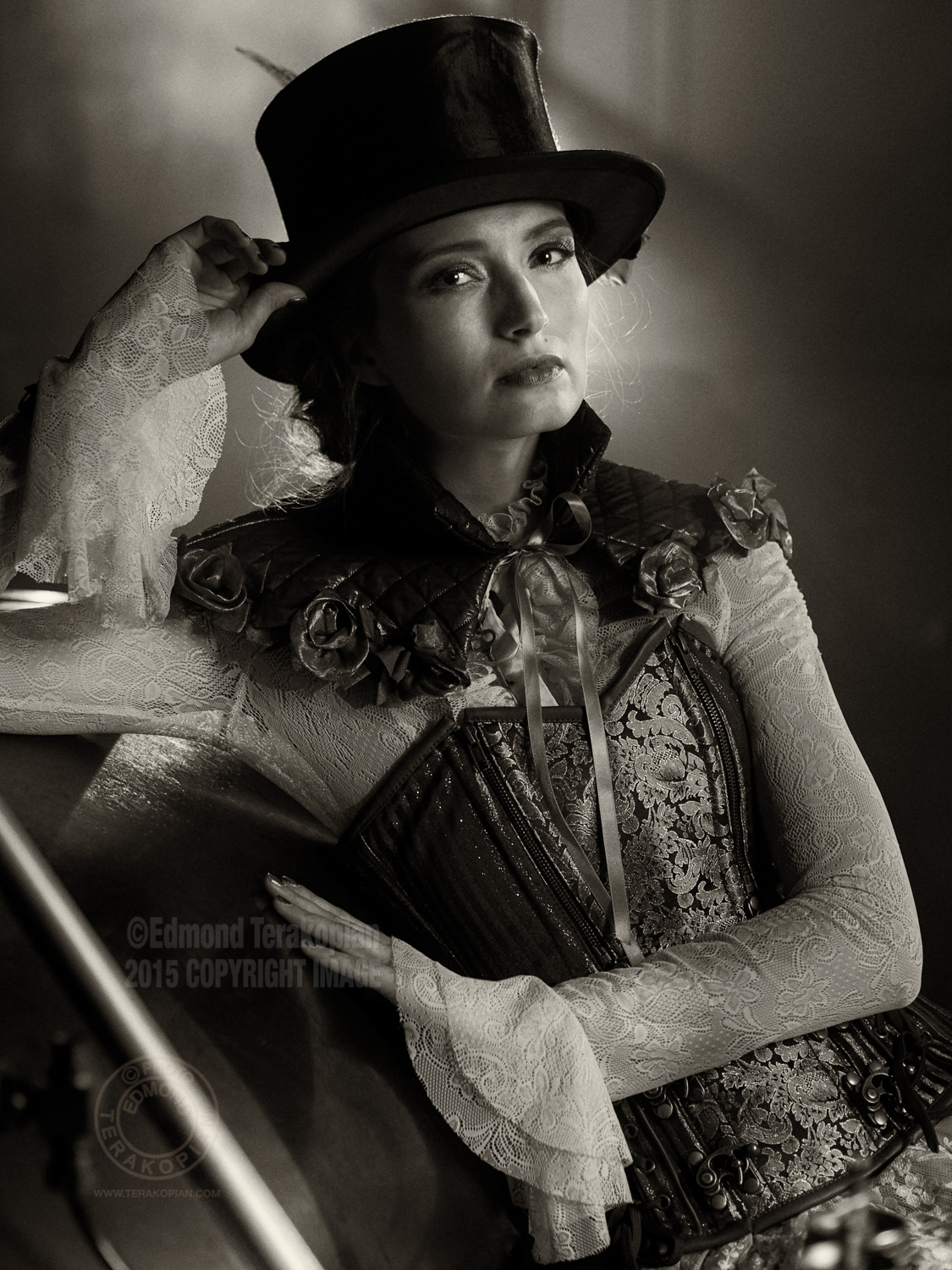
Olympus OM-D Action Factory with the new E-M5 Mark II, Prague, Czech Republic. A former water purification plant. Model Radka Vachalova. February 09, 2015. Photo: Edmond Terakopian

Olympus OM-D Action Factory with the new E-M5 Mark II, Prague, Czech Republic. A former water purification plant. Model Radka Vachalova. February 09, 2015. Photo: Edmond Terakopian

Olympus OM-D Action Factory with the new E-M5 Mark II, Prague, Czech Republic. A former water purification plant. Model Radka Vachalova. February 09, 2015. Photo: Edmond Terakopian

Olympus OM-D Action Factory with the new E-M5 Mark II, Prague, Czech Republic. A former water purification plant. Model Radka Vachalova. February 09, 2015. Photo: Edmond Terakopian

Olympus OM-D Action Factory with the new E-M5 Mark II, Prague, Czech Republic. A former water purification plant. Model Radka Vachalova. February 09, 2015. Photo: Edmond Terakopian

Olympus OM-D Action Factory with the new E-M5 Mark II, Prague, Czech Republic. A former water purification plant. Model Radka Vachalova. February 09, 2015. Photo: Edmond Terakopian

Olympus OM-D Action Factory with the new E-M5 Mark II, Prague, Czech Republic. A former water purification plant. Model Radka Vachalova. February 09, 2015. Photo: Edmond Terakopian

Olympus OM-D Action Factory with the new E-M5 Mark II, Prague, Czech Republic. A former water purification plant. Model Radka Vachalova. February 09, 2015. Photo: Edmond Terakopian

Olympus OM-D Action Factory with the new E-M5 Mark II, Prague, Czech Republic. A former water purification plant. Model Radka Vachalova. February 09, 2015. Photo: Edmond Terakopian

Olympus OM-D Action Factory with the new E-M5 Mark II, Prague, Czech Republic. A former water purification plant. Model Radka Vachalova. February 09, 2015. Photo: Edmond Terakopian

Olympus OM-D Action Factory with the new E-M5 Mark II, Prague, Czech Republic. A former water purification plant. Model Yulia Kazakova. February 09, 2015. Photo: Edmond Terakopian

Olympus OM-D Action Factory with the new E-M5 Mark II, Prague, Czech Republic. A former water purification plant. Model Yulia Kazakova. February 09, 2015. Photo: Edmond Terakopian

Olympus OM-D Action Factory with the new E-M5 Mark II, Prague, Czech Republic. A former water purification plant. Model Yulia Kazakova. February 09, 2015. Photo: Edmond Terakopian

Olympus OM-D Action Factory with the new E-M5 Mark II, Prague, Czech Republic. A former water purification plant. Model Yulia Kazakova. February 09, 2015. Photo: Edmond Terakopian

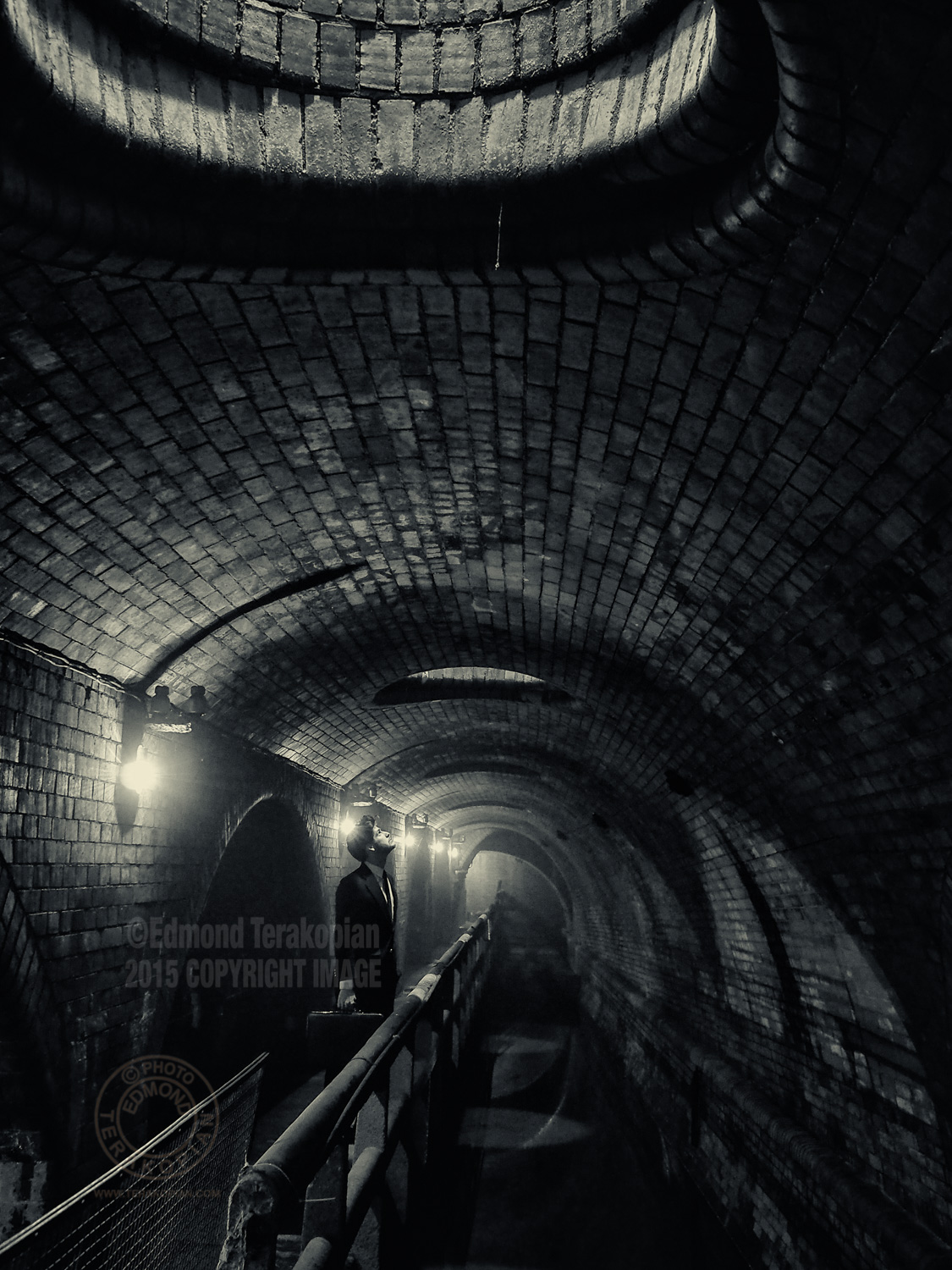
After splitting up into groups of four, we went around the amazing venue, walking through tunnels and industrialised rooms to see and shoot the various scenarios. My review of the OM-D E-M5 Mark II can be found HERE in a previous post. This post will help show the abilities of this wonderful photographic tool; a camera that is definitely on my list!

Movie On The Run

Olympus OM-D Action Factory with the new E-M5 Mark II, Prague, Czech Republic. A former water purification plant with several miles of underground tunnels. February 09, 2015. Photo: Edmond Terakopian

Olympus OM-D Action Factory with the new E-M5 Mark II, Prague, Czech Republic. A former water purification plant with several miles of underground tunnels. February 09, 2015. Photo: Edmond Terakopian

Olympus OM-D Action Factory with the new E-M5 Mark II, Prague, Czech Republic. A former water purification plant with several miles of underground tunnels. February 09, 2015. Photo: Edmond Terakopian

Olympus OM-D Action Factory with the new E-M5 Mark II, Prague, Czech Republic. A former water purification plant with several miles of underground tunnels. February 09, 2015. Photo: Edmond Terakopian

Olympus OM-D Action Factory with the new E-M5 Mark II, Prague, Czech Republic. A former water purification plant with several miles of underground tunnels. February 09, 2015. Photo: Edmond Terakopian

Olympus OM-D Action Factory with the new E-M5 Mark II, Prague, Czech Republic. A former water purification plant with several miles of underground tunnels. February 09, 2015. Photo: Edmond Terakopian

Devil In The Detail

Olympus OM-D Action Factory with the new E-M5 Mark II, Prague, Czech Republic. A work bench, shot at the high resoltion 40mp setting. February 09, 2015. Photo: Edmond Terakopian

Olympus OM-D Action Factory with the new E-M5 Mark II, Prague, Czech Republic. A work bench, shot at the high resoltion 40mp setting. Image shows entire image. February 09, 2015. Photo: Edmond Terakopian

Olympus OM-D Action Factory with the new E-M5 Mark II, Prague, Czech Republic. A work bench, shot at the high resoltion 40mp setting. This shot shows the detail resolved and is a crop of the full frame shot shown previously. February 09, 2015. Photo: Edmond Terakopian

Olympus OM-D Action Factory with the new E-M5 Mark II, Prague, Czech Republic. A work bench, shot at the high resoltion 40mp setting. This shot shows the detail resolved and is a crop of the full frame shot shown above. February 09, 2015. Photo: Edmond Terakopian

Mysterious Lights

Olympus OM-D Action Factory with the new E-M5 Mark II, Prague, Czech Republic. A former water purification plant. Light painting by Zolaq. February 09, 2015. Photo: Edmond Terakopian

Olympus OM-D Action Factory with the new E-M5 Mark II, Prague, Czech Republic. A former water purification plant. Light painting by Zolaq. February 09, 2015. Photo: Edmond Terakopian

The Live Composite facility shows the image forming on the back of the camera’s LCD, as it’s being photographed on long exposure (the image above taking minutes to form as the lights are painted in by Zolaq. Once the photographer judges the image to have been made, the shutter can be closed. It’s similar to watching a print develop in a darkroom tray.

New Lenses

Interestingly, the two new Olympus M.Zuiko lenses due for official announcement soon were at the event, as pre-production models. They were however fully working samples. Pleased to say they were solidly built, focused smoothly and quickly and will add some very useful wider angle ability at fast apertures to the Micro Four Thirds range of cameras.

Olympus OM-D Action Factory with the new E-M5 Mark II, Prague, Czech Republic. A former water purification plant. A sample of the new M.Zuiko 7-14mm f2.8 PRO zoom lens. February 09, 2015. Photo: Edmond Terakopian

Olympus OM-D Action Factory with the new E-M5 Mark II, Prague, Czech Republic. A former water purification plant. A sample of the new M.Zuiko 7-14mm f2.8 PRO zoom lens. February 09, 2015. Photo: Edmond Terakopian

Olympus OM-D Action Factory with the new E-M5 Mark II, Prague, Czech Republic. A former water purification plant. A sample of the new M.Zuiko 7-14mm f2.8 PRO zoom lens. February 09, 2015. Photo: Edmond Terakopian

Olympus OM-D Action Factory with the new E-M5 Mark II, Prague, Czech Republic. A former water purification plant. A sample of the new M.Zuiko 7-14mm f2.8 PRO zoom lens. February 09, 2015. Photo: Edmond Terakopian

Olympus OM-D Action Factory with the new E-M5 Mark II, Prague, Czech Republic. A former water purification plant. A sample of the new M.Zuiko 8mm f1.8 Fisheye lens. February 09, 2015. Photo: Edmond Terakopian

Olympus OM-D Action Factory with the new E-M5 Mark II, Prague, Czech Republic. A former water purification plant. A sample of the new M.Zuiko 8mm f1.8 Fisheye lens. February 09, 2015. Photo: Edmond Terakopian

Olympus OM-D Action Factory with the new E-M5 Mark II, Prague, Czech Republic. A former water purification plant. A sample of the new M.Zuiko 8mm f1.8 Fisheye lens. February 09, 2015. Photo: Edmond Terakopian

Olympus OM-D Action Factory with the new E-M5 Mark II, Prague, Czech Republic. A former water purification plant. A sample of the new M.Zuiko 8mm f1.8 Fisheye lens. February 09, 2015. Photo: Edmond Terakopian

The Prize Of Prague

On a personal note, it was lovely to be back in Prague; my first visit was in 2006 to receive the Prize of Prague from the Mayor of Prague, open my solo exhibition and strangely, give a press conference and a couple of TV interviews!

The exhibition is hung. In Prague to receive the Prize of Prague and view my solo exhibition which was part of the prize. September 2006. Photo: Edmond Terakopian

The exhibition is hung. In Prague to receive the Prize of Prague and view my solo exhibition which was part of the prize. September 2006. Photo: Edmond Terakopian

The exhibition is hung. In Prague to receive the Prize of Prague and view my solo exhibition which was part of the prize. September 2006. Photo: Edmond Terakopian

The exhibition is hung. In Prague to receive the Prize of Prague and view my solo exhibition which was part of the prize. September 2006. Photo: Edmond Terakopian

In Prague to recieve the Prize of Prague and view my solo exhibition which was part of the prize. September 2006. Photo: FotoPajer

In Prague to recieve the Prize of Prague and view my solo exhibition which was part of the prize. September 2006. Photo: Bart

TV Interview. In Prague to recieve the Prize of Prague and view my solo exhibition which was part of the prize. September 2006. Photo: FotoPajer

TV Interview. In Prague to recieve the Prize of Prague and view my solo exhibition which was part of the prize. September 2006. Photo: Bart

Press Conference. In Prague to recieve the Prize of Prague and view my solo exhibition which was part of the prize. September 2006. Photo: FotoPajer

Press Conference. In Prague to recieve the Prize of Prague and view my solo exhibition which was part of the prize. September 2006. Photo: FotoPajer

In Prague to recieve the Prize of Prague and view my solo exhibition which was part of the prize. September 2006. Photo: FotoPajer

In Prague to recieve the Prize of Prague and view my solo exhibition which was part of the prize. September 2006. Photo: FotoPajer

Receiving the Prize of Prague from the Mayor of Prague. September 2006. Photo: FotoPajer

Receiving the Prize of Prague from the Mayor of Prague. September 2006. Photo: FotoPajer

Olympus OM-D E-M5 Mark II Review

Is The Sequel Any Good?!

Cameras come and cameras go. It’s a cycle that every manufacturer repeats every few years. As a professional photographer, I naturally keep my eyes open for new and better tools and as a reviewer of camera equipment for my blog and also various magazines over the years, I naturally get to use and review a lot of equipment from a lot of the main brands in our industry.

The new Olympus OM-D E-M5 Mark II fitted with the HLD-8 Power Battery Grip. February 05, 2015. Photo: © Edmond Terakopian

The new Olympus OM-D E-M5 Mark II fitted with the HLD-8 Power Battery Grip. February 05, 2015. Photo: © Edmond Terakopian

So, how do I know if a camera is any good? Well, one sure way is at the end of the test, when I box away the camera to send back. If at this stage I feel bad and want to hold on to the camera, that gut feeling says it all. As I boxed away the OM-D E-M5 Mark II last night and begun taping up the box, I really wished I could keep it!

The new Olympus OM-D E-M5 Mark II. The two grips, the HLD-8 Power Battery Grip. February 05, 2015. Photo: © Edmond Terakopian

The new Olympus OM-D E-M5 Mark II. The two grips, the HLD-8 Power Battery Grip. February 05, 2015. Photo: © Edmond Terakopian

Although I never used Olympus in the days of film, I always really fancied the OM3Ti; to the point that even now, once in a while I’ll look them up on eBay! When Olympus launched the first PEN, the E-P1, my interest in the company’s cameras was re-invigorated. Since, I’ve owned and use various PEN cameras, the most recent being the brilliant E-P5. When I saw the first OM-D, the E-M5, I did rather like it and when I saw the E-M1, I did rather love it. It was a camera that just felt perfect from the second I picked it up and since has become my most used camera system, putting my Canon DSLR and Leica M setups in early and part time retirement. I’ve been using the new E-M5 Mark II for exactly two weeks now. My first outing with it was a video shoot of an anti ivory demonstration at the Chinese Embassy, which will be used in the feature length documentary, The Last Animals. Having played with the camera the evening before, it gave me such confidence in it’s abilities that I was happy to take it on a real and important assignment the next day. Although I brought a Canon 5D MkIII as a backup, just in case, the little Olympus worked faultlessly and perfectly, allowing me to shoot the entire demo with it. The camera’s ergonomics and menu system are very well designed. Not having a manual for the two weeks meant having to figure everything out by exploration and I’m happy to say that everything just came together nicely, all because of a well thought out camera, by designers and engineers who clearly understand photography and photographers.

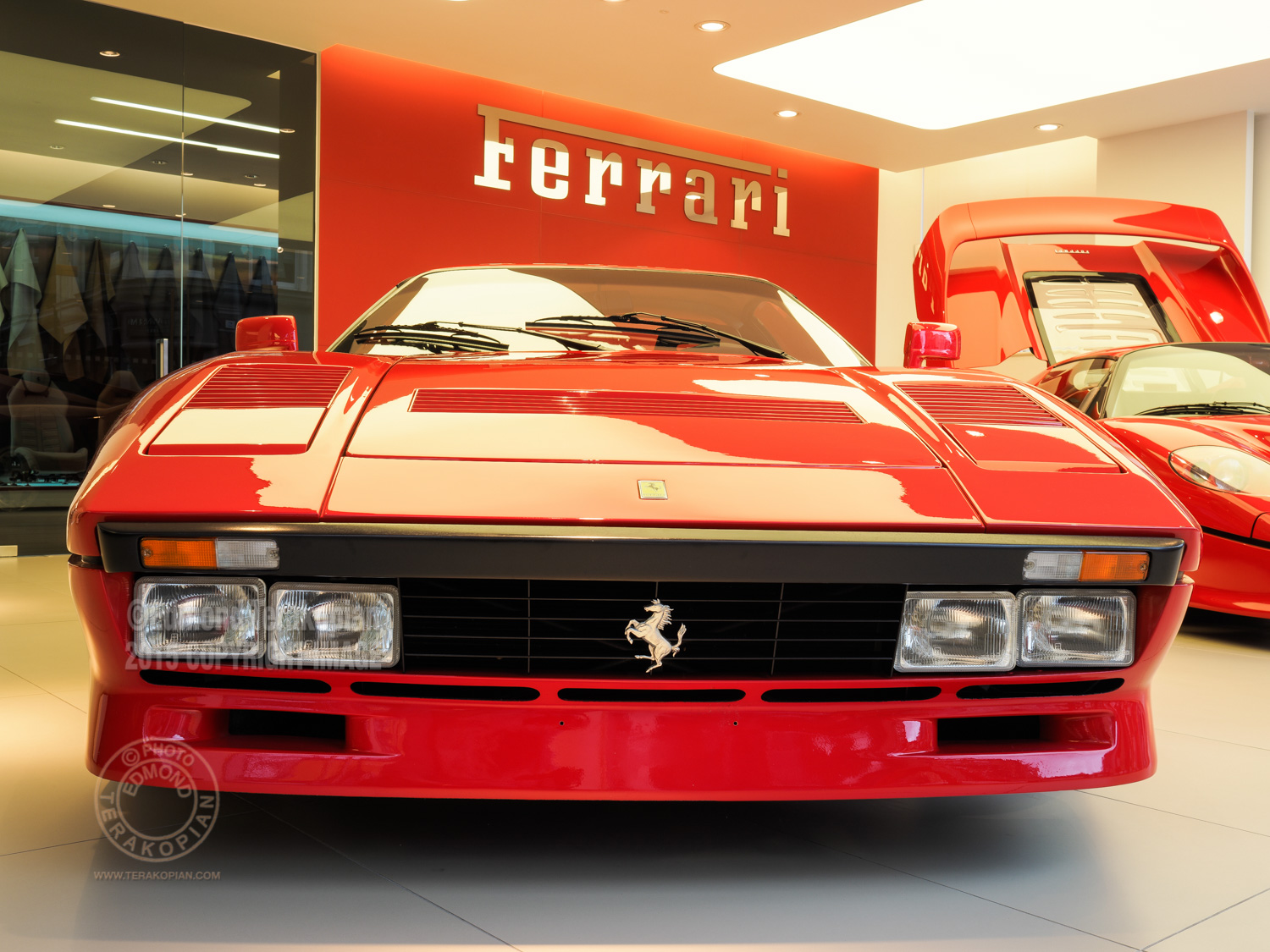
A rare Ferrari 288 GTO  built in 1985 with only 883 miles on the clock. It is valued at £2,000,000 and available from H.R. Owen in South Kensington, London. Image shot on the Olympus OM-D E-M5 II, using the multi shot sensor shift facility, creating a 40 megapixel image. January 30, 2015. Photo: ©Edmond Terakopian

A rare Ferrari 288 GTO built in 1985 with only 883 miles on the clock. It is valued at £2,000,000 and available from H.R. Owen in South Kensington, London. Image shot on the Olympus OM-D E-M5 II, using the multi shot sensor shift facility, creating a 40 megapixel image. January 30, 2015. Photo: ©Edmond Terakopian

One of the highlight aspects of the E-M5 Mark II is it’s new high resolution mode; the resolution is boosted from it’s normal 16mp to a whopping 40mp. It does this by taking eight images, shifting the sensor for each shot and combining them into a 40mp jpeg, all in a matter of seconds. As the camera can fire up to 11 shots in the silent continuous mode (more of this later), the actual picture can be taken in under or around a second, so long exposure’s aren’t needed.

A rare Ferrari 288 GTO  built in 1985 with only 883 miles on the clock. It is valued at £2,000,000 and available from H.R. Owen in South Kensington, London. Image shot on the Olympus OM-D E-M5 II, using the multi shot sensor shift facility, creating a 40 megapixel image. January 30, 2015. Photo: ©Edmond Terakopian

A rare Ferrari 288 GTO built in 1985 with only 883 miles on the clock. It is valued at £2,000,000 and available from H.R. Owen in South Kensington, London. Image shot on the Olympus OM-D E-M5 II, using the multi shot sensor shift facility, creating a 40 megapixel image. January 30, 2015. Photo: ©Edmond Terakopian

A detail crop; A rare Ferrari 288 GTO  built in 1985 with only 883 miles on the clock. It is valued at £2,000,000 and available from H.R. Owen in South Kensington, London. Image shot on the Olympus OM-D E-M5 II, using the multi shot sensor shift facility, creating a 40 megapixel image. January 30, 2015. Photo: ©Edmond Terakopian

A detail crop; A rare Ferrari 288 GTO built in 1985 with only 883 miles on the clock. It is valued at £2,000,000 and available from H.R. Owen in South Kensington, London. Image shot on the Olympus OM-D E-M5 II, using the multi shot sensor shift facility, creating a 40 megapixel image. January 30, 2015. Photo: ©Edmond Terakopian

The processing of the eight images then takes a couple of seconds. A tripod is a must and your subject needs to be still, but I can see a lot of creative uses of this with moving subjects! The results are astonishing though. An image dimension of 7296 x 5472 takes things into the higher end of medium format territory. The results are pin sharp, full of detail and tonal range. Whilst this wasn’t a feature I was enamoured by when I first found out about it, having used it, it has really blown my mind!

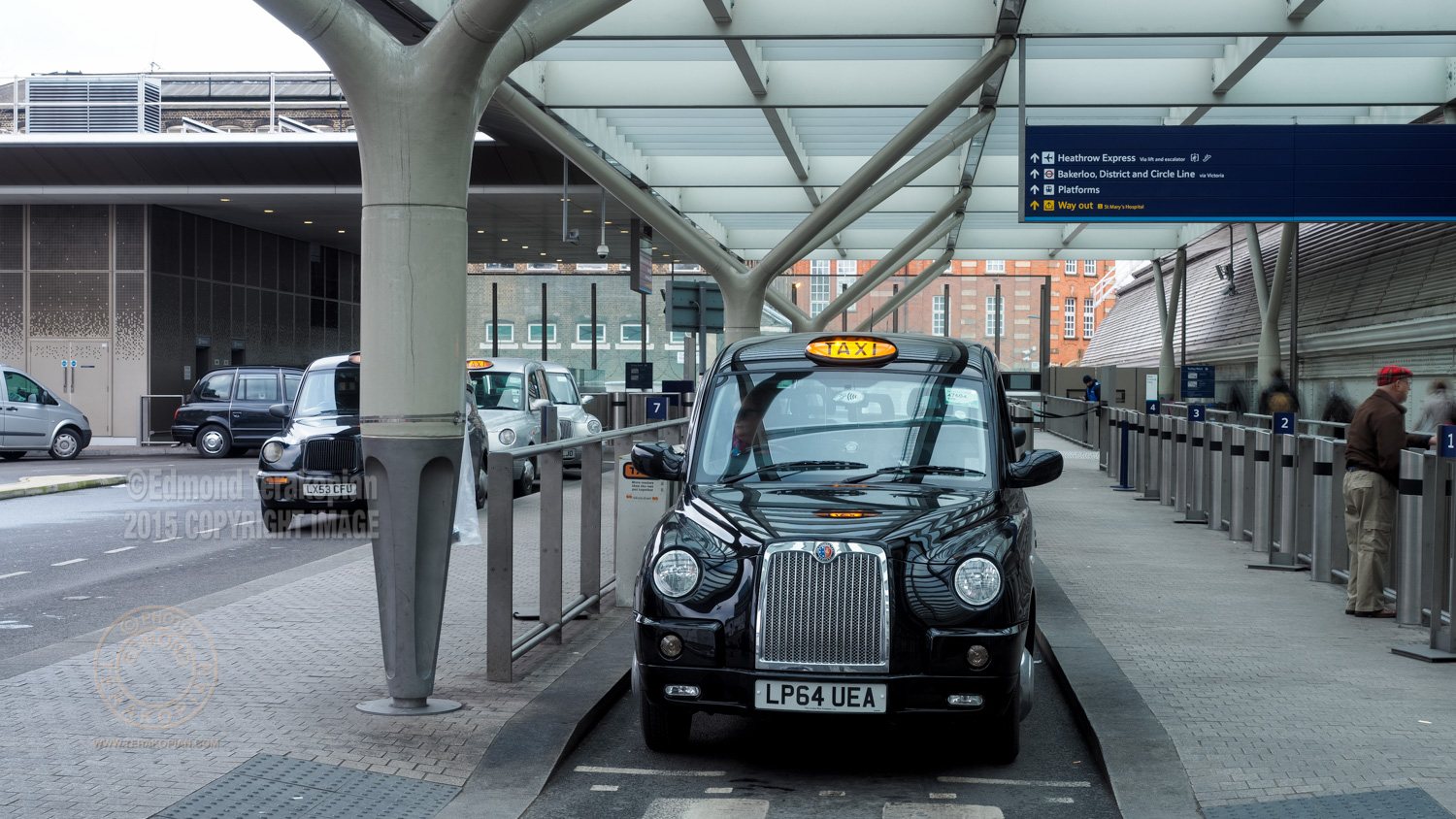
Taxi Rank, Paddington Station, London. Image shot on the Olympus OM-D E-M5 II, using the multi shot sensor shift facility, creating a 40 megapixel image. February 01, 2015. Photo: Edmond Terakopian

Taxi Rank, Paddington Station, London. Image shot on the Olympus OM-D E-M5 II, using the multi shot sensor shift facility, creating a 40 megapixel image. February 01, 2015. Photo: Edmond Terakopian

To download a full resolution file of the above image and see for yourself, follow THIS LINK. The other huge feature of the E-M5 Mark II is an updated and even more capable 5-axis in camera stabiliser. In a nutshell, every axis of movement is stabilised, meaning hand held shot are possible at very slow shutter speeds for pin sharp photographs. With practice I found I can shoot hand held at down to almost a one second exposure.

Shooting Video

This stabiliser also works in the video mode and in this aspect, pushes the camera to be one of the most able video shooting stills cameras around. It frees the user up to shooting so much more hand held shots. In my short film Taxi Driver, I shot the majority of shots completely hand held. Something I would never do with a DSLR, even with a stabilised lens.

Some of the shots in the film were done by attaching the camera and a mic, onto the windscreen of the taxi or to the bonnet, using a Delkin Fat Ghecko vehicle mount. This triple suction mount worked perfectly, but on it’s own offers no means of stabilisation. Considering how much a diesel London Taxi vibrates and the state of the bumpy roads in some parts of town, the smooth results just blew me away. The stabiliser is both extremely capable and extremely freeing, allowing you to shoot and create, without worrying about steadycams or a tripod. In fact, the only scenes I used a tripod and monopod were for the interview in the cafe and a few shots of a taxi rank. The rest of the seven hour shoot was freehand! By adding a grip (either the HLD-8 or HLD-8 Power Battery Grip) one also adds a headphone socket. This is essential for being able to monitor what the microphone is picking up and really makes this camera an even better video shooter. Thankfully, the audio gain level (along with ISO, aperture, shutter speed and headphone volume) can be changed using the silent touch screen during video shooting. Brilliant!

The new Olympus OM-D E-M5 Mark II. Picture shows the all important headphone socket, now part of the optional (and essential) grip, the HLD-8G and HLD8 Battery Power Grip (shown), February 05, 2015. Photo: © Edmond Terakopian

The new Olympus OM-D E-M5 Mark II. Picture shows the all important headphone socket, now part of the optional (and essential) grip, the HLD-8G and HLD8 Battery Power Grip (shown), February 05, 2015. Photo: © Edmond Terakopian

Thankfully, we now have variable frame rates, meaning that 60p, 50p, 30p, 25p and 24p can be used for full 1080p HD video. The video file itself is very beefy! ALL‑I has a data rate of 77Mbps. IPB gives the following data rates in the following quality setting: SF: ~52Mbps, F: ~30Mbps, N: ~18Mbps. Having shot the majority of the two films in ALL-I at 77Mbps, I can say that the detail holds up extremely well, rendering both highlight and shadow detail properly, allowing for proper grading. It also pushes the camera’s data rate into one the BBC with their stringent guidelines should approve of. Another very handy feature is various levels of slow motion (and speeded up footage) available in camera. I have made good use of the slow motion and am very pleased with the results. You can see this in action in my London Taxi film mentioned earlier.

The new Olympus OM-D E-M5 Mark II fitted with the HLD-8 Power Battery Grip and Rode Steroe VideoMic X. February 05, 2015. Photo: © Edmond Terakopian

The new Olympus OM-D E-M5 Mark II fitted with the HLD-8 Power Battery Grip and Rode Steroe VideoMic X. February 05, 2015. Photo: © Edmond Terakopian

On the audio front, the camera has the all important audio limiter, meaning loud sounds or a raise in volume won’t blow the audio and make it useless. The audio is also recorded at 16 bit, 48Hz, Wave Format Base, meaning it’s actually of better than CD quality and not compressed. Naturally there is an on screen audio meter during shooting. Although the camera has built in stereo microphones, it also comes with the essential mic socket, and during filming my Rode VideoMic Pro and Rode Stereo VideoMic X found themselves at home and recording great audio. Other Goodies The flip out, articulated screen is a great bonus which allows various camera angles to be used with ease. One thing I found I was going a lot was flipping it so the screen was hidden from view and the camera resembled a film camera. This is great as it’ll stop the chimping photographer, make them concentrate on the scene and not the camera back and as a result save on battery power. During the interview scene in London Taxi, I was shooting multicam, and the screen allowed me to tilt it on the wide camera, meaning I could keep an eye on it and on the one in my hand; very handy indeed. Another very handy aspect for me was the practically silent shutter. It can barely be heard and on the street, it should be completely inaudible. Need to take pictures in a monastery of monks who have taken a vows of silence? Not a problem as there is also a completely silent electronic shutter mode. And yes, I do mean silent. Completely. Zero sound. It’s absolutely astonishing to put the camera into silent continuous and know one’s shooting 11 frames per second, in absolute, total and complete silence! In normal mode, the barely audible shutter mode means in continuous mode, the count drops by a frame to 10fps.

London Taxi driver Terry Bradford. January 31, 2015. Photo: Edmond Terakopian

London Taxi, St Paul’s Cathedral. January 31, 2015. Photo: Edmond Terakopian

The built in WiFi remains from the previous cameras and married to the Olympus O.I. Share app on iOS means you can download jpegs (I always shoot RAW and medium jpeg for just this reason) and also have full, wireless remote camera control. This naturally opens up huge possibilities and also allows quick sharing of images on social media (just check out my Instagram!) or for sending a quick image to a client for approval or a newspaper for publication. As a very important bonus, the battery system is the same as the previous OM-Ds and PENs; this means that when travelling, one needs one type of charger and one set of batteries. It’s this type of uniformity that endears a brand to the photographer and really helps on assignment. Final Thoughts So, is everything perfect? So far, I have had nothing but praise for this camera; I almost have nothing but praise for this camera. The only thing that bugs me, is the rear function button, labelled Fn1. It’s just too small and flat and is next to a lever which juts out too much, adding to it’s difficult use. In normal function button use, this isn’t an issue and works perfectly well when holding the camera away from the face and accessing the menus, but there are some photographers, myself included, who prefer back button focus, so assign all AF use to the back button. Whilst it’s usable, it’s not comfortable and not as tactile as it should be. So if you’re one of the breed who likes to back button focus, you will be annoyed. However, I like this camera so much that I will try and find a way to attach something to this button to make it stand out a few millimetres.

Dramatic Clouds At Sunset, London. February 05, 2015. Photo: © Edmond Terakopian

Dramatic Clouds At Sunset, London. February 05, 2015. Photo: © Edmond Terakopian

Well, as I mentioned at the beginning, I don’t want to return this test camera back to Olympus; I like it that much. One thing is for sure, a couple of E-M5 Mark II cameras will definitely be joining my bag as soon as they are available. My E-M1 cameras are extremely capable (and will be even better with the new firmware bring faster continuous AF, I’m sure) but for video, the E-M5 Mark II has raised the bar tremendously. For me, it’s a must have camera…..so yes, the sequel is much better! Links: Here’s my Flickr Album with E-M5 MarkII images; this will be updated, so do keep an eye on it.

Addendum

My black Olympus OM-D E-M5 Mark II camera and M.Zuiko 17mm f1.8 lens. April 29, 2015. Photo: Edmond Terakopian

My black Olympus OM-D E-M5 Mark II camera and M.Zuiko 17mm f1.8 lens. April 29, 2015. Photo: Edmond Terakopian

A few months on and I’ve got myself a pair of E-M5 Mark II cameras. As I’ve already mentioned, it’s a great camera. In fact, I have an assignment tomorrow and I’ll only be shooting on these; shall leave the E-M1 cameras at home. One thing however has changed since my review; the back “Function 1” button. Olympus have clearly been listening to the feedback and seem to have completely changed the button’s mechanics. It’s no longer hard to press and feels much better. The design isn’t ideal as the lever juts out too much, but with the button being softer to the touch and with much more feel, back button focusing is actually achievable comfortably. I’ve set up both my cameras with back button focus enabled. Top marks to Olympus for making this small yet significant change since the sample camera I had for my initial review.