Absolutely thrilled to share that this photograph has made the shortlist of the prestigious Pink Lady Food Photographer of the Year 2024 award, in the Champagne Taittinger Food for Celebration category.
A celebration in hand; Krispy Kremes and Royal Corgi soft toy. Borough Market, Southwark Street, London, UK. July 14, 2023. Photo: Edmond Terakopian
I’m especially thrilled the judges picked the photograph, as it’s a very subtle image of a smaller scale celebration about to be had. The category is filled with many beautiful large scale celebratory occasions, so it makes the inclusion of my street photograph even more special. Thank you to the judges.
The winning photographs will be announced at the Awards Evening on Tuesday 4 June. This will be followed by the exhibition at the Mall Galleries, in London, from the 5th – 9th June, 2024.
Photographed on a Lumix G9 with a Leica DG 10-25mm Vario-Summilux. Processed on a Mac Studio, using LightRoom Classic and finished in Exposure Software X7, using Eizo CG 276 displays.
“We are elated to inform you that your spectacular image has proven itself to be a superlative symbol within the entirety of the photography industry”.
Absolutely thrilled to have received these comments from the international jury of the New York Photography Awards for 2023, after four of my photographs were awarded “Silver Winner”. A further four photographs were also recognised with “Honorable Mentions”. To have eight images picking up awards, from a set of ten images entered for the awards, has been more than delightful and brings some sweet news to see out the end of the year with.
All of the photographs were shot in raw and processed in Adobe’s LightRoom Classic on a Mac Pro, with calibrated Eizo CG screens. The images were then finished off in Exposure Software’s X7 plugin.
Interestingly, five of the awarded images were made during photography workshops which I was tutoring. One during a one to one bespoke street photography workshop and the rest on two summer street photography workshops, in conjunction with my good friend and colleague Steve Simon. Look out for details of our 2024 workshop!
My thanks to the judges and organisers of the NY Photography Awards. I’m more than absolutely delighted and it’s wonderful to have a breadth of work, covering photojournalism, street photography and high-end creative product photography recognised and awarded.
Absolutely thrilled to share that six of my images have been chosen by the jury of the 18th annual Black & White Spider Awards.
Honorable Mention in People | Conversations With Dimension
Deep Conversations. Paris Baguette in the newly renovated and re-opened Battersea Power Station, London, UK. November 03, 2022. Photo: Edmond Terakopian. Lumix LX100 Mk2.
Honorable Mention in Abstract | Alternative Planes Of Existence
Alternative Planes Of Existence. Canary Wharf, London, UK. July 16, 2022. Photo: Edmond Terakopian. Leica M10-D and a 1970s Leica 50mm Summicron.
Honorable Mention in Silhouette | Alternative Planes Of Existence
Alternative Planes Of Existence. Walkers by, exist in an entirely different plane, often unknown to them as they continue with their journeys. Canary Wharf, London, United Kingdom. Whilst nothing in the photograph has been altered, it has been rotated by 180 degrees. July 16, 2022. Photo: Edmond Terakopian. Leica M10-D and a 1970s Leica 50mm Summicron.
Honorable Mention in Advertising | Baetylus
The groundbreaking Baetylus from Den’s Pens. It’s by far one of the most inventive, unique, creative and remarkable fountain pen designs. Custom made in black ebonite, with some facets polished and others in matte. Each Baetylus is even more unique, as each is entirely shaped by hand. The shape and feel, give it an organic presence, as if born from the earth. Photo: Edmond Terakopian. Lumix S1R and Sigma 105mm f2.8 Macro Art DG DN.
Nominee in People | Cooling Off At The Pub
The month of July would reach a new UK high of 40.3C being recorded at Coningsby in Lincolnshire on 19 July 2022. Scientists summise that the record breaking summer is a true sign of the changing climate. The Met Office states that “virtually impossible” without human-induced climate change. Meanwhile in London, the summer is enjoyed with joy by locals and visitors, as the change in climate causes London to have a hot summer. Cooling drinks after work at a pub in Shoreditch, London, UK. July 14, 2022. Photo: Edmond Terakopian. Leica M10-D and a 1970s Leica 50mm Summicron.
Nominee in Still Life | Nakaya Piccolo
A hand made Nakaya Piccolo Cigar Shu-nurihanashi fountain pen. London, UK. December 19, 2022. Photo: Edmond Terakopian. Lumix S1R and Sigma 105mm f2.8 Macro Art DG DN.
Photographs were entered from 69 countries and it’s great to have a breadth of my work recognised by the judges, to whom I am thankful.
Three of the images were made using a Leica M10-D and three of the images were made using Lumix cameras (S1R and LX100 mkII). As always, all photographs were made in raw and processed in Adobe’s LightRoom Classic. The monochrome finishing was done in Exposure Software’s X7, using an Apple Mac Pro, with fully calibrated Eizo CG series monitors.
Passionate Photographer Masterclass LONDON – with Steve Simon & Edmond Terakopian
Now Fully Booked 🙂 Thank You 🙂
Following on from the great success of our joint street and travel photography masterclass last year, I’m thrilled to be co-hosting another London Workshop, with my great friend and colleague, Steve Simon, this summer. We have ONE spot still left, so do hurry and book yourself in.
The biggest gain in one’s level of photography never comes from just new equipment; it comes from learning to see deeper, being mindful and reacting in a visually cohesive and aesthetically communicative way.
Our fully immersive workshop will be focused on street photography and travel photography, with direction and feedback from us both, on a daily basis. Steve and I will share our own approaches and philosophies to capturing daily life, on the streets. You can see more about my work here.
Photographs from our week long 2022 workshop, ended up getting some awards’ success: Travel Photographer Of The Year gave a Highly Commended award and the International Color Awards, six nominations.
Those who know me, know how deeply I value workshops, the sharing of knowledge, thoughts, concepts and exploration. I’m a firm believer that one never stops learning. Every shoot brings unique circumstances and one learns something new every day. Having started as a passionate photographer in 1986, I turned professional in 1989, primarily as a photojournalist, but also as a commercial photographer, a social photographer and a short film maker. I thoroughly enjoy passing on knowledge and tips and helping those new to the industry, the hobby or a particular aspect of our work as professionals, to pick up new skills and further their career. Anyone who has been on any one of my workshops or presentations will hopefully vouch for my passion and energy for image making.
The best way to really advance our craft, is to have a totally immersive experience. To dedicate the week and really focus the mind and soul, our observational skills, as well as sharpen camera skills. Photographing, exchanging thoughts, sharing of images, not just with Steve and myself, but amongst fellow workshop attendees too, is one of the absolute joys of such a photographic workshop. If you’ve never done a week long workshop, you will be amazed by the gains one makes after such a immersive experience.
Testimonials
Some feedback from our wonderful students from last year:
Michele writes: “The London workshop July 2022 was FABULOUS! I have taken other workshops and this was one of the best. Steve and Ed spend a lot of one to one time with each participant and it really helped. I am a shy street photographer who was also grappling to “get comfortable” with my camera…. There was no pressure to get the best shot- as sometimes can be the case in some photography workshops. The guys shared their time generously. I got great shots- learned tons and met a really fun group of folks. Ed knows London and found us some great spots and wonderful restaurants. I would highly recommend the London workshop as well as any of Steve’s workshops.”
Pat writes: “What better way to explore London with all of its quirks and hidden treasures than in the company of these two talented photographers. I loved this workshop. After setting the camera aside during covid, this was just what I needed to get reacquainted with Street Photography and regain my passion for making images. The choice of Covent Garden as a meeting area was a good one, with the National Gallery, Soho and other great locations in easy walking distance. The daily critiques were a great way to get input on your work and to experience how other artists are approaching similar subject matter. Having input from both Steve and Edmond was very helpful. I appreciated their generosity, helpfulness and willingness to coach one on one to enrich the experience.”
Stephen writes: ““Such a fun and productive week of learning with all important daily critique sessions. Steve and Edmond were both attentive to each of us individually and gave us practical tips in the class and on the streets to improve our street photography skills.”
Please don’t hesitate to ask any questions you may have here in the comments. To book your spot, visit Steve Simon’s London Masterclass page. Only three spots remain at the time of writing!
Such an honour to have one of my photographs exhibited in the Travel Photographer Of The Year outdoor exhibition at the Royal Photographic Society. The exhibition will continue until June 4th, 2023 and is located in the space between The Royal Photographic Society (RPS) and The Martin Parr Foundation.
Photographer Edmond Terakopian by his Highly Commended photograph titled “Altered Realities”. Travel Photographer Of The Year exhibition, Royal Photographic Society, Bristol, UK. May 21, 2023. Photo: Tom Sherwood
My photograph was awarded a Highly Commended and made in Canary Wharf using a Lumix G9 and Leica DG 50-200mm lens. The image was made during a street photography workshop I was teaching last summer. Keep an eye out on my blog for details of the July 2023 workshop, which I will be hosting with my good friend Steve Simon.
This has been made even more special as I also have a second photograph at the Royal Photographic Society, in the Pink Lady Food Photographer Of The Year exhibition, on level 1. This is a career first! Images in two completely different exhibitions, at the same prestigious venue!
It’s been an absolutely delightful week, first with the Pink Lady Food Photographer of the Year awards’ ceremony, which took place at BAFTA on Piccadilly in London on May the 16th. This wonderful evening was followed by the exhibition’s opening at the Royal Photographic Society in Bristol, on May the 20th.
Conversations With Depth. Paris Baguette in Battersea Power Station, London, UK. November 03, 2022. Photo: Edmond Terakopian. Lumix LX100m2.
I’m thrilled to share that one of my images made it into the finals and received a Highly Commended award. My thanks to the judging panel, the organising team, the sponsors and partners.
Excited and nervous, ahead of the awards’ ceremony. BAFTA, Piccadilly, London, UK. Self Portrait: Edmond Terakopian
A short scrapbook video of the evening at the wonderful BAFTA on Piccadilly in London, for the awards’ ceremony.
The selected photograph was taken at a cafe, whilst visiting with a close friend. It illustrates how crucial it is to always have a camera to hand (smartphones don’t count in my opinion). When travelling super light, I always have my smallest camera with me; the very capable Lumix LX100m2, which has a great lens, fast aperture and good sensor, carried in a Bellroy Sling. So, ahead of tucking into the cakes and coffees we had bought, I just had to make a series of photographs, my favourite of which is the awarded recipient above.
As always, I shoot raw. The raw file was processed in Lightroom Classic on a Mac Pro, using a calibrated Eizo CG monitor. The monochrome finishing was done in Exposure Software’s X7.
The Exhibition, Royal Photographic Society, Bristol
Exhibition opening of the Pink Lady Food Photographer Of The Year at the Royal Photographic Society at the Paintworks. Bristol, UK. May 20, 2023. Photo: Edmond Terakopian Standing by my photograph at the exhibition opening of the Pink Lady Food Photographer Of The Year at the Royal Photographic Society at the Paintworks. Bristol, UK. May 20, 2023. Photo: Henry Kenyon
A short interview video for Pink Lady, at the exhibition opening at the wonderful Royal Photographic Society venue in Paintworks, Bristol, UK.Exhibition opening of the Pink Lady Food Photographer Of The Year at the Royal Photographic Society at the Paintworks. Bristol, UK. May 20, 2023. Photo: Edmond TerakopianExhibition opening of the Pink Lady Food Photographer Of The Year at the Royal Photographic Society at the Paintworks. Bristol, UK. May 20, 2023. Photo: Edmond Terakopian
I do not condone nor can I be held responsible for reader comments published on this blog; they are the sole responsibility of the reader making the comment.



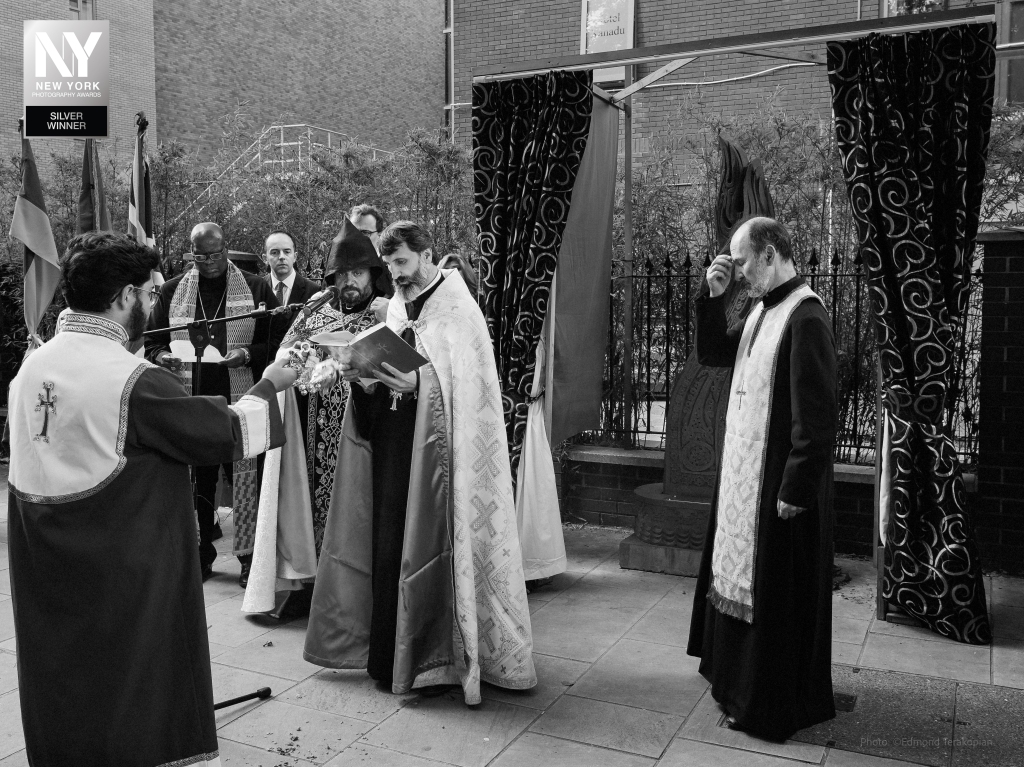
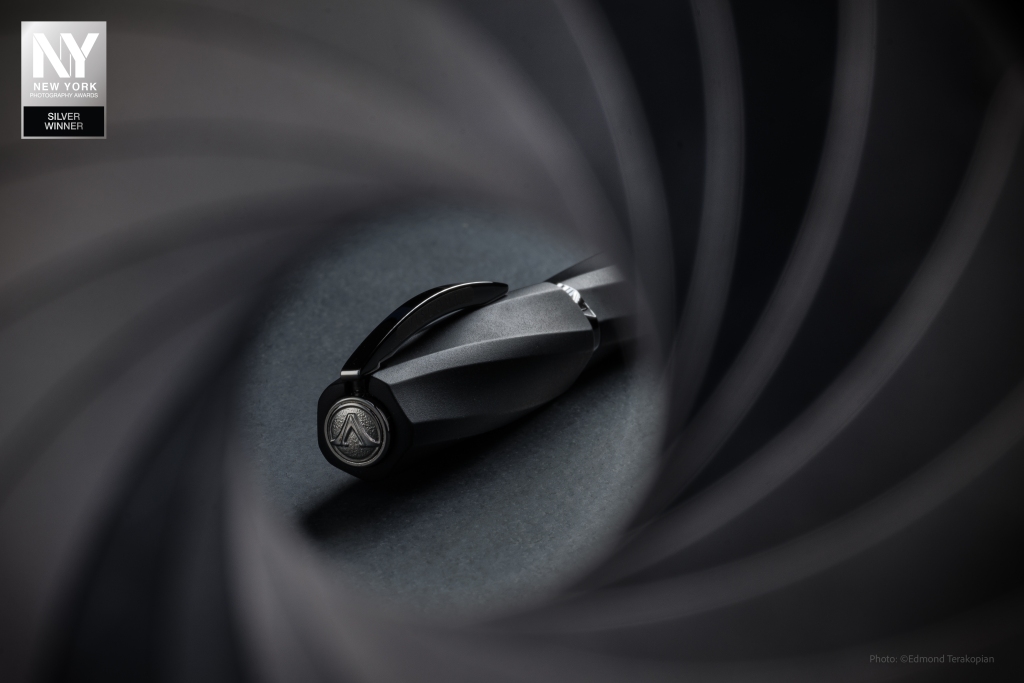
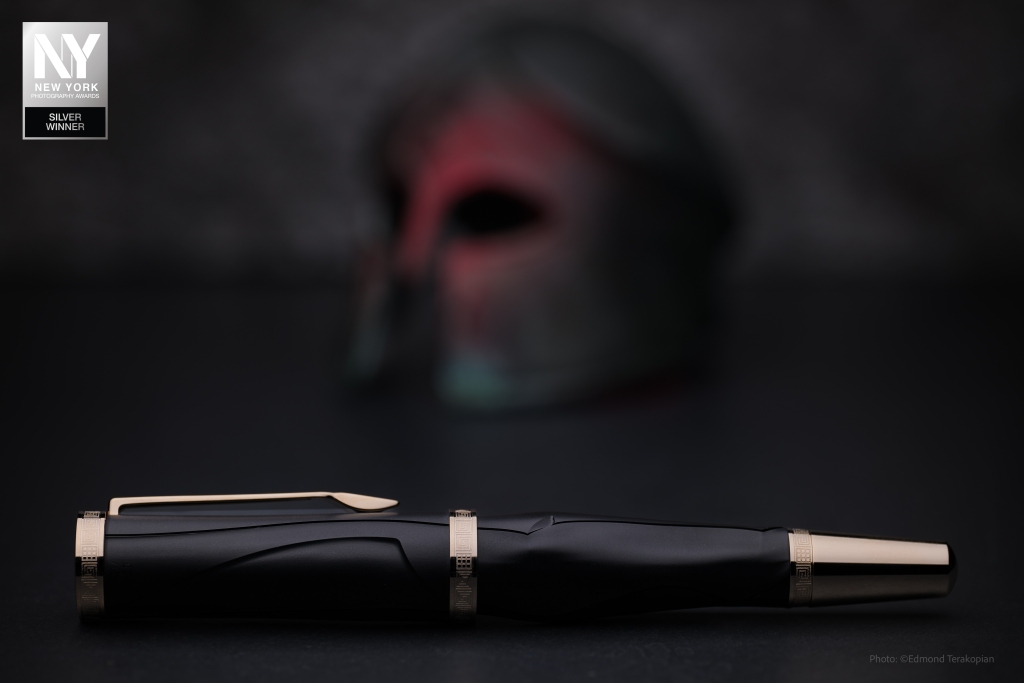
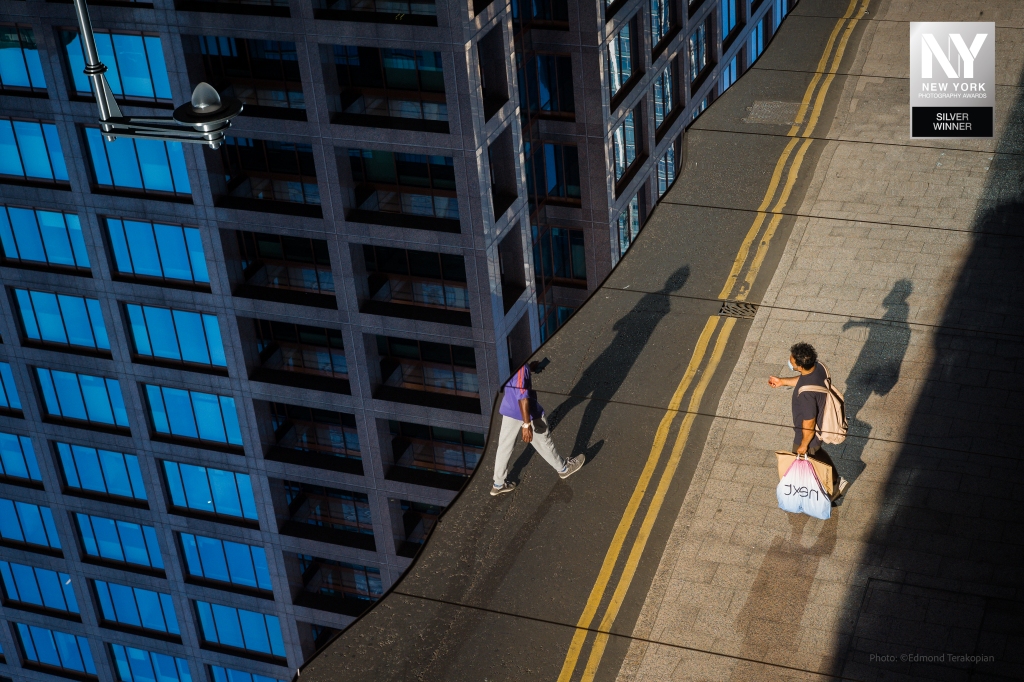
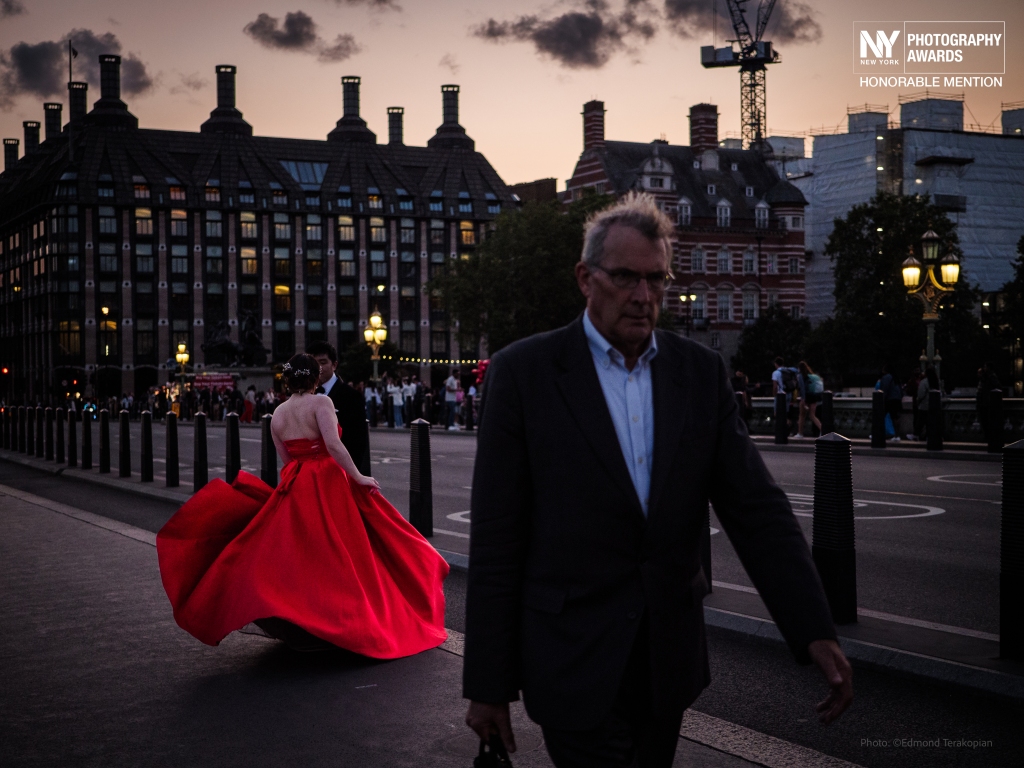
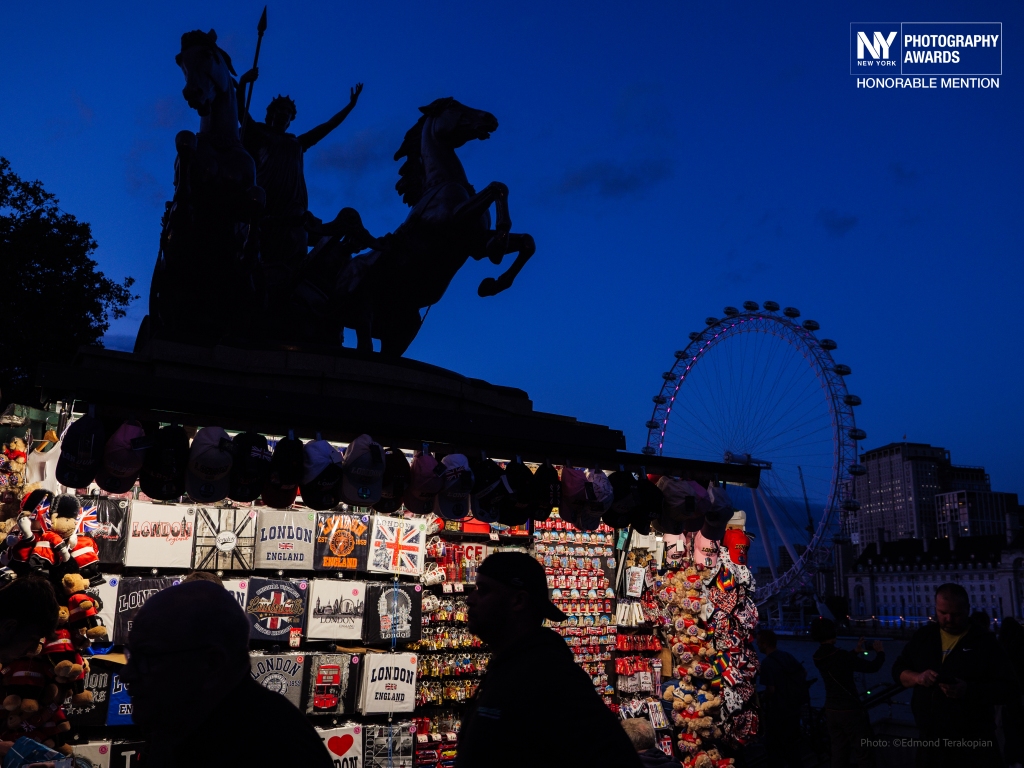
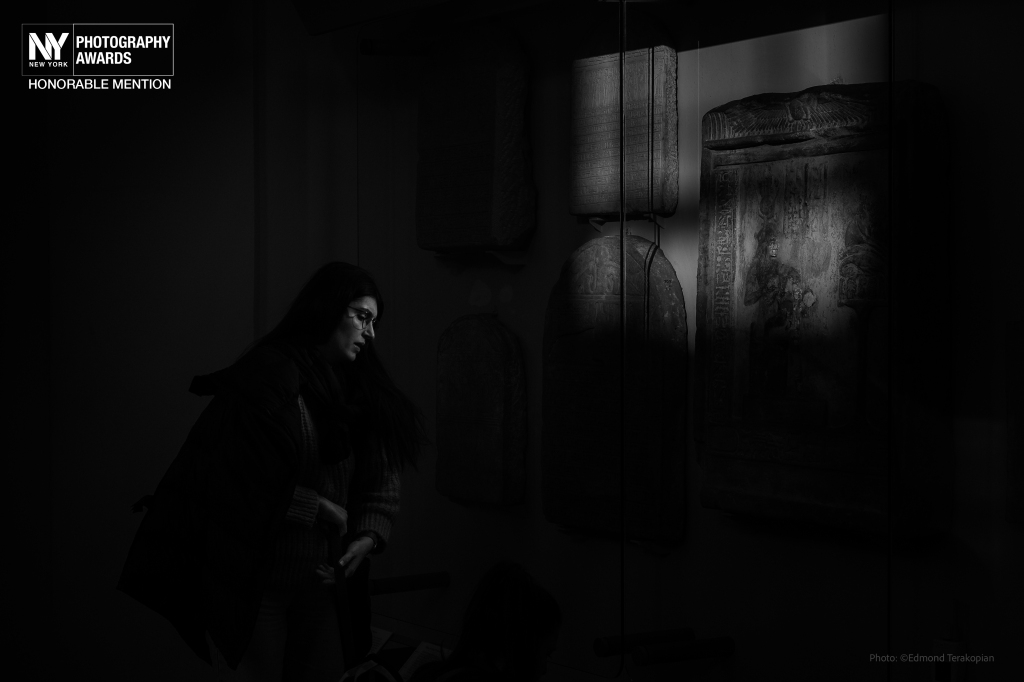
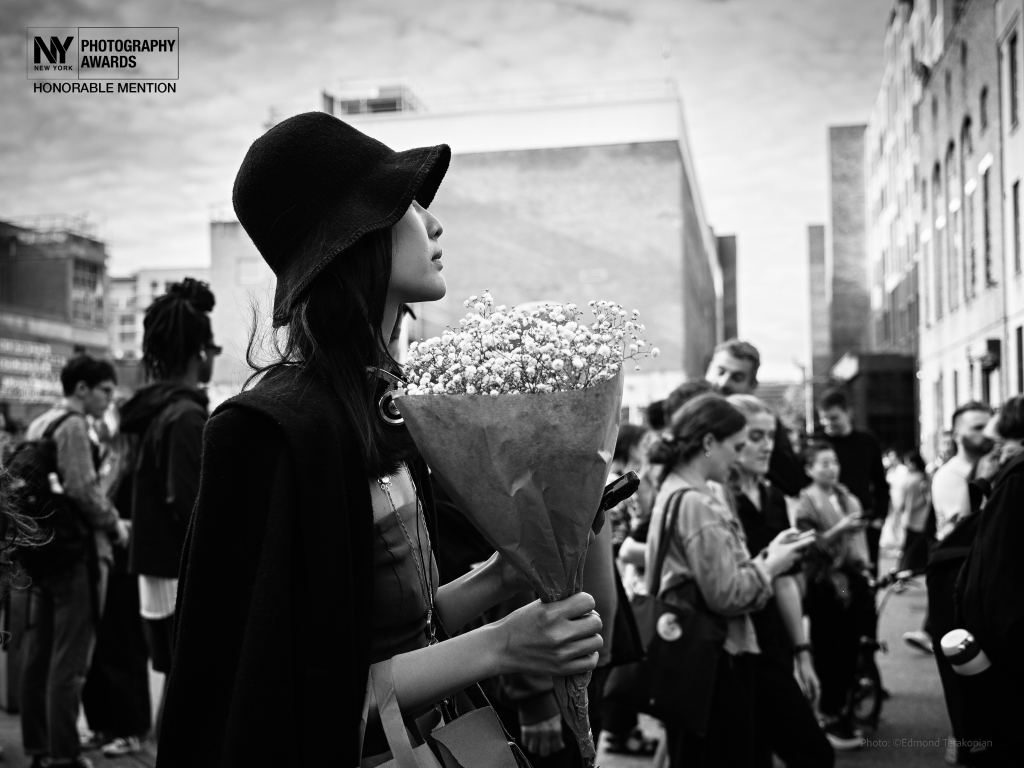
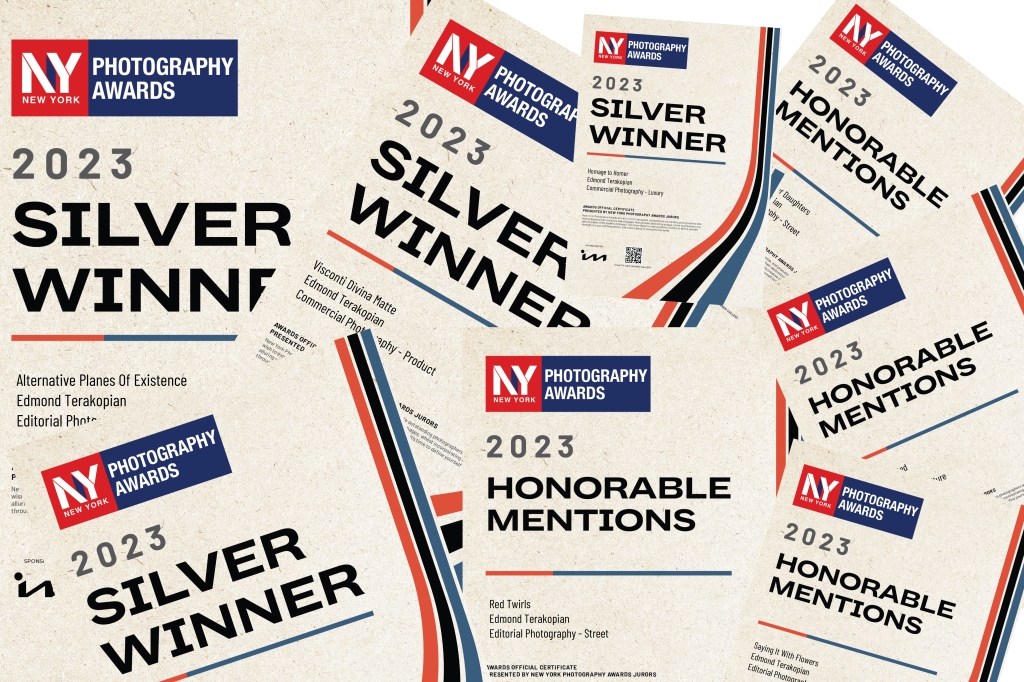




 Photo This & That